Why the Best Time to Stay at a British Inn Is When Everyone Else Has Gone Home
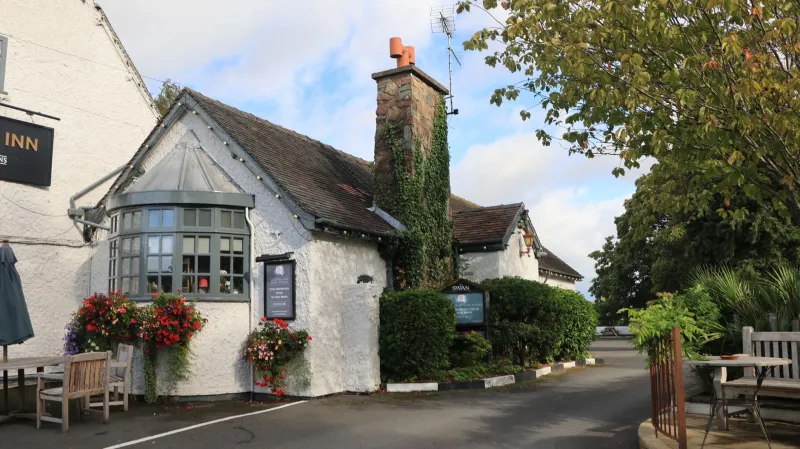
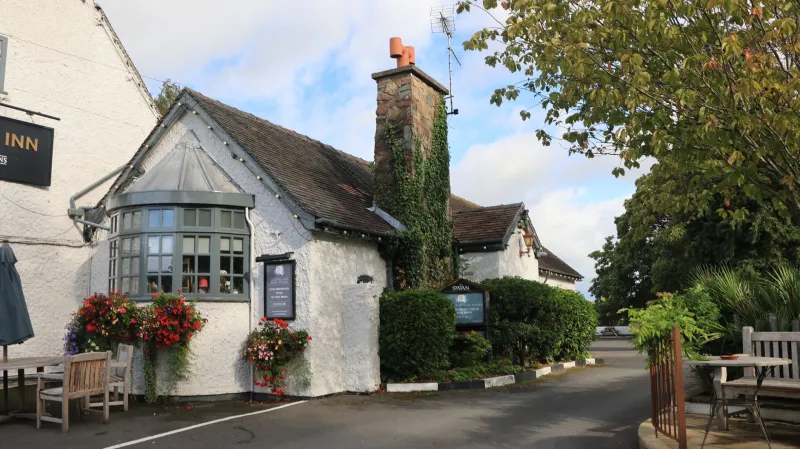
Let's be honest about something. The British inn in summer is a wonderful thing — but it is not always a peaceful one. Car parks fill up by Friday afternoon. The pub garden becomes a jostling, sunburnt scrum. The best rooms go months in advance. Staff are stretched. And the inn itself — its particular character, its rhythms, its relationship with the surrounding landscape — can feel oddly muffled beneath the noise of high season.
Now consider the same inn in January. Or late November. Or the grey, quietly beautiful weeks of early March.
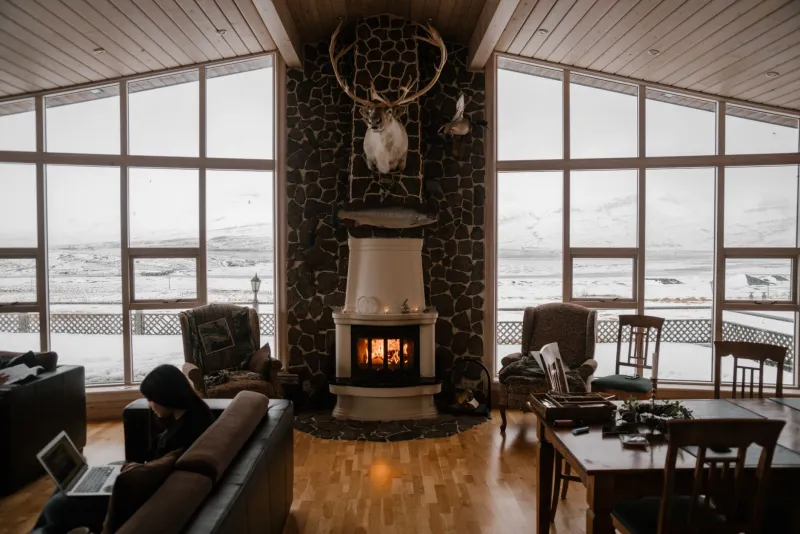
The car park has two vehicles in it, one of which belongs to the chef. The landlord has time to sit down with you after dinner. The fire has been going since three in the afternoon. Outside, the fields are doing whatever winter fields do — brooding, steaming gently, turning extraordinary colours in the low afternoon light. And the inn, freed from the performance of peak season, is just itself.
This is the off-season advantage. And not nearly enough people are taking it.
The Inn Without Its Mask On
Every inn has a version of itself that it presents to the world in summer — polished, busy, operating at full stretch. That version is often excellent. But it is, in a sense, a performance. The staff are too busy to linger. The menu is optimised for volume. The atmosphere is generated partly by the crowd itself.
In winter, that performance relaxes. What's left is the real thing: the inn as it actually is when the pressure is off. And more often than not, what's left is better.
Innkeepers will tell you this themselves, if you ask. The quieter months are when they cook the dishes they actually want to cook, rather than the ones that work for fifty covers a night. When they have proper conversations with guests over breakfast rather than a harried smile and a refilled coffee pot. When the place feels like a home rather than a hotel.
For guests, this translates into something genuinely different. You're not a booking number in a full house. You're a person, in a place, with people who have time for you. That shift — subtle but real — is the heart of what makes winter inn stays so rewarding.
The Atmosphere That Summer Can't Manufacture
There is a particular quality of light in a British inn on a winter afternoon that no amount of fairy lights or patio heaters can replicate in August. The fire is not decorative — it is necessary. The warmth when you come back from a walk is not pleasant; it is profound. The difference between outside and inside becomes, for a few hours, one of the most satisfying contrasts available to a human being.
Britain does this kind of atmospheric drama extremely well. A stone-flagged pub floor. Low beams. Rain against a small window. A bowl of something slow-cooked. These things exist in summer too, technically, but they don't land the same way. Context is everything. The cosiness of a British inn is at its most powerful when the weather is making a genuine argument for staying indoors.
Beyond the interior, winter landscapes across Britain have a quality that summer tourists rarely see. The Lake District without its crowds is a different place entirely — vast, austere, and quietly overwhelming in the best possible sense. The Yorkshire Dales in a January frost are genuinely spectacular. The Pembrokeshire coast in November, all pewter sea and dramatic skies, is more itself than at any other time of year. Staying at a local inn during these months means experiencing the landscape the way the people who live with it year-round actually know it.
Deeper Connections With Local Life
One of the less-discussed pleasures of off-season travel is the access it gives you to the communities that actually live in the places you're visiting. In summer, tourist infrastructure creates a kind of parallel world — visitors move through it, locals work within it, but genuine contact between the two can be surprisingly rare.
In winter, that buffer dissolves. The pub has regulars again. The landlord knows the farmer at the bar by name. The conversation at breakfast isn't about the best route to the nearest viewpoint — it's about the local planning dispute, the weather forecast, the state of the roads up on the fell. You become, briefly, part of a place rather than a visitor passing through it.
This is, for many travellers, the most valuable thing a trip can offer. Not scenery, not food, not even comfort — but the feeling of having briefly inhabited somewhere real.
Practical Reasons to Go in Winter
Beyond the atmospheric and philosophical arguments, there are some straightforwardly practical advantages worth mentioning.
Prices are lower. Often significantly. The same room that costs £180 on a Friday in August might be £110 in November, and some inns offer midweek rates that are genuinely remarkable. If you're flexible about dates and destinations, the off-season is when British inn stays become accessible at price points that high season simply doesn't allow.
Availability is better. Last-minute trips — the ones that happen because the weather's unexpectedly good or you just need to get away — are far more achievable when you're not competing with half the country for the same rooms. Some of the best inn stays are the spontaneous ones, and spontaneity is a winter luxury.
The roads and footpaths are quieter too. If you're visiting somewhere like the Peak District or the Brecon Beacons, winter walking offers a solitude that summer makes nearly impossible. You can stand on a hillside and hear nothing but wind. That sounds bleak on paper. In practice, it's extraordinary.
A Few Things Worth Knowing
Off-season travel does require a little more planning in some respects. Not every inn runs its full operation year-round — some reduce kitchen hours, close on certain weekdays, or operate a slightly stripped-back menu. It's always worth checking before you book whether the things you're coming for (a particular restaurant, a spa, a specific experience) are running as normal.
Dress for it, obviously. Britain in winter is not reliably brutal, but it is reliably damp, and the difference between a good walk and a miserable one is often just a decent waterproof. Most inns in walking country are well used to guests arriving wet and will have somewhere to dry kit — but ask when you book if that matters to you.
And perhaps most importantly: go without a packed itinerary. The off-season rewards slowness. An afternoon doing nothing in particular in a warm inn, with a good book and a view of the rain, is not wasted time. It is, in fact, the point.
The Guests Who Know
There's a certain type of experienced traveller who has already worked this out. They book their favourite inns in October or February, return year after year, and are quietly smug about the whole arrangement. They're not wrong to be.
The British inn at its best is a place of genuine warmth, character, and connection. All of those qualities exist in summer. But in winter, with the crowds gone and the fire lit and the innkeeper sitting down across from you with a glass of something, they're easier to find — and harder to forget.