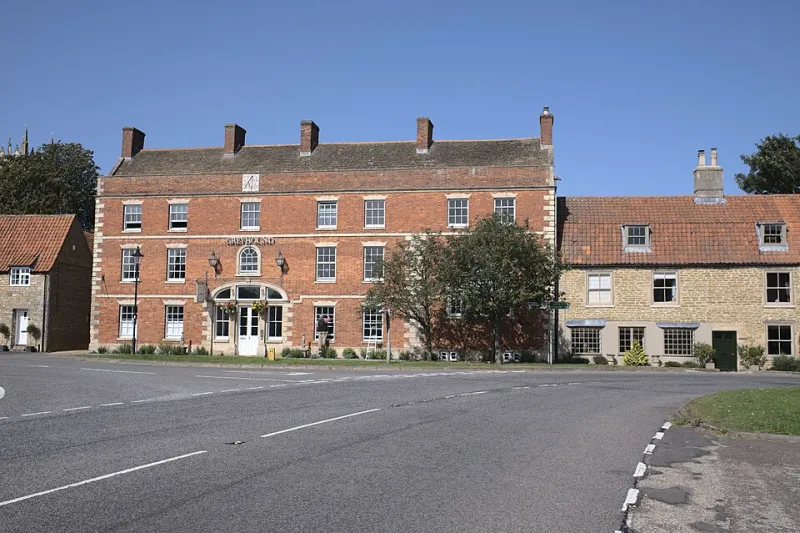
When It Rains, It Pours — And That's Exactly the Point: Inside Britain's Cosiest Inn Interiors
Let's be honest about the British weather: it's going to do what it likes. You can pack your waterproof, check three different forecasting apps, and still find yourself standing at the window of your inn room watching horizontal rain batter the village green. The question isn't whether this will happen — it's whether the inn you've chosen is ready for it.
The very best British inns don't just tolerate bad weather. They're designed around it. Rain, mist, and the particular grey light of a November afternoon are treated not as inconveniences to be apologised for, but as the conditions under which a certain kind of deep, unhurried comfort becomes possible.
The Art of the Indoor Atmosphere
Walk into a well-designed inn on a wet Tuesday in October and something shifts. The contrast between outside and in does a lot of the work — the cold at your back, the warmth ahead, the smell of woodsmoke and something good from the kitchen. But that effect doesn't happen by accident. It's the result of deliberate choices made by people who understand that cosiness is a craft.
Lighting is usually the first thing you notice, even if you can't articulate why. Inns that rely too heavily on overhead lighting can feel clinical and unwelcoming, no matter how nice the furniture. The ones that get it right tend to layer their light — table lamps, wall sconces, candles on the bar, the flicker of an open fire — so that different corners of a room feel warm and inhabited rather than uniformly illuminated.
Textiles matter enormously, too. Heavy curtains that actually keep the cold out. Rugs that break up stone floors and soften the acoustic. Cushions and throws that aren't purely decorative but genuinely invite you to settle in. These are small things, but cumulatively they signal something important: this is a place where you're meant to stay a while.
The Fireplace as the Heart of the Inn
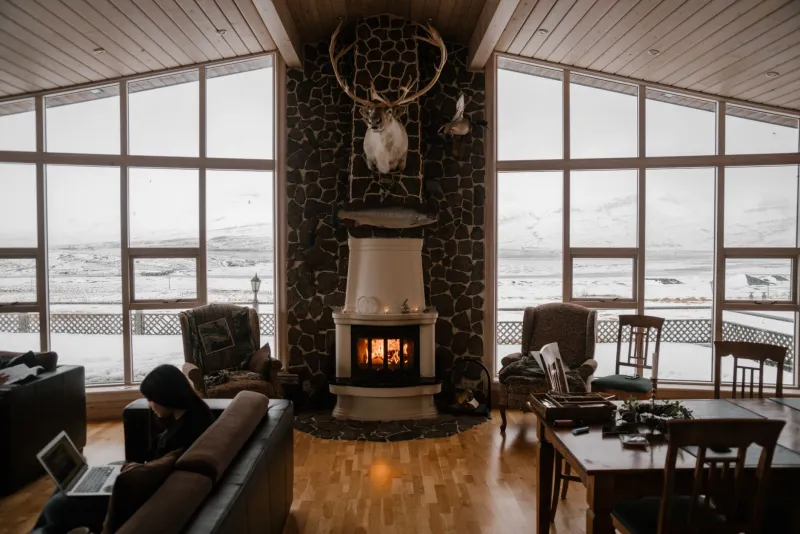
No feature does more for an inn's indoor atmosphere than a real, working fireplace — and the best innkeepers know it. There's something almost primally reassuring about an open fire. It gives a room a focal point, a reason to gather, a sense that the weather outside is not a problem but a backdrop.
The placement of seating around a fire says a great deal about how an inn understands hospitality. Chairs angled inward, close enough for conversation but not so close as to feel crowded. A low table for drinks. Perhaps a dog stretched out nearby, utterly unbothered by the storm outside.
Some inns have taken this further, investing in inglenook fireplaces that feel genuinely ancient — wide enough to stand in, deep enough to warm an entire room. Others work with smaller, more modern installations but surround them with the right materials: stone surrounds, wooden mantels laden with local curiosities, the kind of shelving that invites you to pick things up and look at them.
Reading Nooks and Quiet Corners
A great inn understands that not every guest wants to be sociable all the time. Alongside the communal spaces — the bar, the dining room, the lounge — the best interiors carve out quieter territories. A window seat with a view of the rain. A deep armchair tucked behind a bookshelf. A small table by a lamp where someone can sit with a novel and a pot of tea and feel entirely at peace.
The books themselves matter. A shelf of battered paperbacks, local history titles, and dog-eared walking guides tells a different story to a row of pristine coffee-table books chosen for their spines. The former suggests a place where people actually read; the latter suggests a place where reading is performed.
Some inns have developed proper libraries — dedicated rooms lined with shelves, furnished with reading chairs and good lighting, occasionally featuring a card catalogue or a honesty system for borrowing books to take home. These spaces have become a genuine draw for a certain kind of traveller, and rightly so.
Social Spaces That Don't Feel Forced
There's a balance to strike between encouraging guests to linger and making them feel obligated to socialise. The inns that manage it best tend to have spaces that work for both — a bar or lounge area where conversation can happen naturally, but where sitting quietly with your own thoughts is equally acceptable.
Board games left out on a shelf rather than locked behind a counter. A jigsaw in progress on a side table. A stack of local newspapers. These things create the conditions for connection without demanding it.
The layout of furniture plays a part too. Long communal tables can work brilliantly in the right context, but they require a certain confidence from guests. More forgiving are clusters of smaller seating arrangements — pairs of chairs, small sofas facing each other — that allow people to drift into conversation if the mood takes them.
Embracing the Grey
There's a broader philosophy at work in the best British inn interiors, and it's worth naming. Rather than trying to create a Mediterranean warmth that fights against the climate and the landscape, these spaces lean into what Britain actually is: a place of soft light, green views, and weather that changes its mind. The palette tends towards the earthy — stone, slate, oak, wool, leather — materials that feel native and honest.
This isn't nostalgia for its own sake. It's a recognition that comfort is contextual. A whitewashed room with rattan furniture might feel wonderful in Santorini. In the Lake District in February, you want something that feels like it grew there.
When an inn gets this right, a rainy afternoon stops being something to endure and becomes something to look forward to. The fire's already lit. The tea's on its way. Pull the curtains and let it pour.