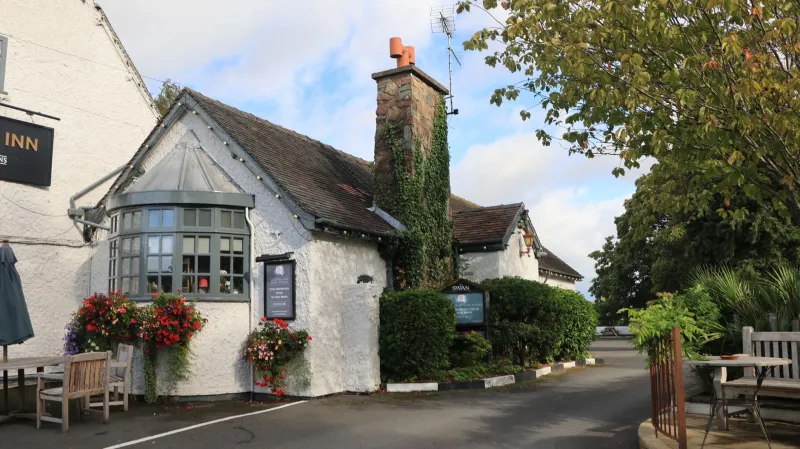
Shelf Life: The British Inns Turning Their Bookshelves Into a Sense of Place
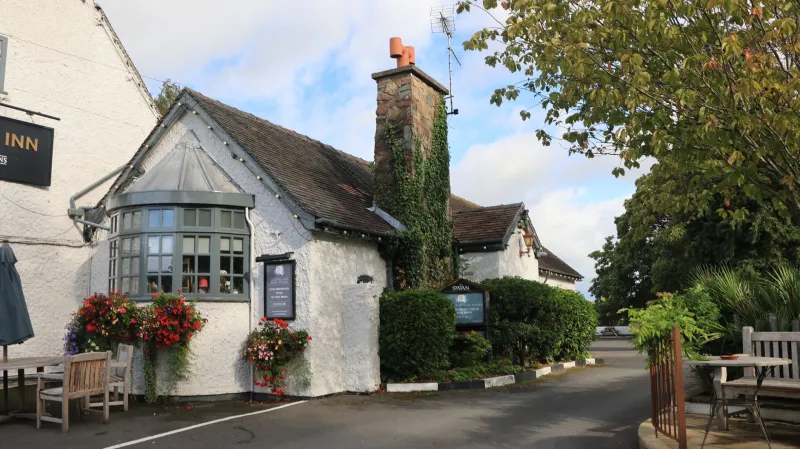
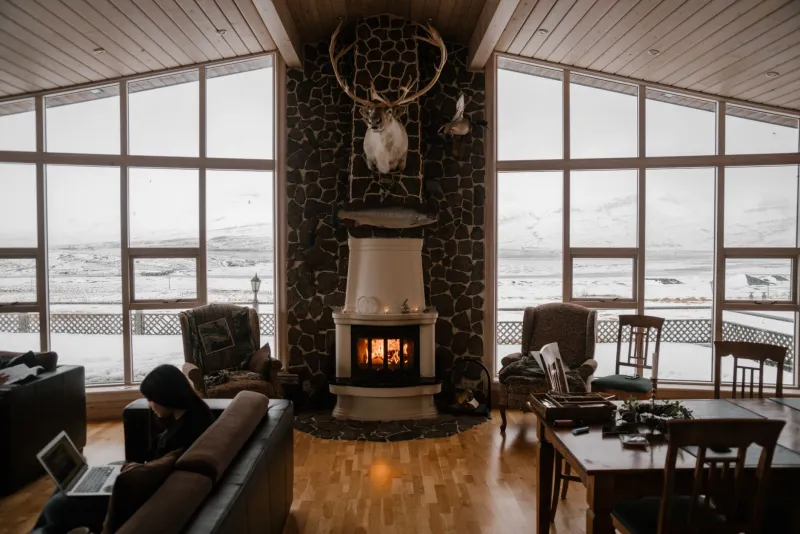
There's a particular kind of pleasure in picking up a book you'd never normally reach for. One that's been left on a windowsill in a Lakeland inn, or tucked into a low shelf beside a wood burner in rural Shropshire. It might be a dog-eared local history from the 1970s, a novel set in the very valley you're looking out at, or a slim volume of poetry by a writer born three villages away. You read a few pages. You look out the window. Something shifts.
This isn't accidental. Increasingly, the inns getting talked about — the ones guests return to, recommend, and write long reviews about — are the ones paying close attention to what's on their shelves.
More Than a Swap Shelf
For years, the standard inn bookshelf was a kind of benign afterthought. A mismatched row of abandoned holiday reads: a thriller missing its back cover, a celebrity autobiography from 2009, a guidebook to somewhere else entirely. Guests ignored them. Nobody minded.
But something has changed. Boutique innkeepers — particularly those who've come to the industry from creative or academic backgrounds — have started thinking about books the way a good chef thinks about ingredients. What belongs here? What tells the story of this place? What will a guest pick up on a rainy afternoon and still be thinking about when they get home?
The result is a quietly radical shift in how some of Britain's most distinctive small inns present themselves. Books have become part of the interior design, yes, but more than that — they've become part of the hospitality itself.
Curated With Intent
Speak to innkeepers who've gone down this path and a few themes emerge quickly. The first is specificity. Vague 'countryside' or 'British history' sections don't cut it. The books that resonate are deeply local — hyper-local, even.
At a small inn on the edge of Dartmoor, the owner spent months tracking down out-of-print histories of the moor's tin-mining past, alongside contemporary nature writing by authors who've walked the same paths guests are about to take. 'I want people to feel like they're arriving somewhere particular,' she explains. 'Not just a nice room in a nice landscape, but a place with its own story.'
In the Scottish Borders, one innkeeper has built a collection around the literary history of the region — which is richer than most visitors realise — with first editions displayed alongside accessible paperbacks guests are actively encouraged to read during their stay. The rare books aren't behind glass. They're there to be handled, talked about, wondered over.
That accessibility matters. The point isn't to create a museum. It's to create conversation.
Books as Conversation Starters
This is perhaps the most underappreciated function of a well-chosen shelf. A book left on a bar, a title propped up on a breakfast table, a collection arranged just so beside the armchairs in a sitting room — these things invite questions. Guests ask about them. Staff have opinions. Other guests join in.
One innkeeper in North Yorkshire describes books as 'the best icebreaker we've ever found.' She started leaving locally relevant titles on the tables in her dining room after noticing that guests who'd arrived as strangers were leaving as acquaintances, all because a conversation had started over who'd written what about the moors. 'People arrive at inns wanting to connect,' she says, 'with the place, with each other. Books give them a way in.'
This connects to something broader about what good hospitality actually does. It doesn't just provide comfort — it provides context. A guest who understands a little of where they are, who's lived here, what's happened in this landscape, is a guest who leaves with something more than a pleasant memory.
Fiction Alongside Fact
It would be easy to assume that inn book collections are all local history and walking guides. The best ones are far more nuanced than that. Fiction — particularly fiction rooted in a specific place or era — can do things that non-fiction can't. It makes the landscape emotional. It gives a region a mood.
An inn in the Cotswolds has built its collection partly around classic English rural fiction — not the chocolate-box stuff, but the sharper, stranger novels that take village life seriously. Guests have started arriving having read certain titles in advance, almost as preparation. 'It's become part of why people choose us,' the owner admits, with some surprise. 'They want that experience of reading about a place before they arrive, and then finding the book again on our shelf when they get here.'
Elsewhere, contemporary fiction by writers from the local area sits alongside poetry collections, memoir, and natural history. The mix is deliberate. Different guests will reach for different things. What matters is that everything on the shelf was put there for a reason.
The Shelf as Signature
For guests who care about these things — and a growing number do — a thoughtfully stocked bookshelf has become a quality signal. It suggests an inn run by people who think carefully, who are curious about their surroundings, and who want to share that curiosity with visitors. In the same way that a hand-written menu or a locally sourced breakfast communicates something about an inn's values, so does a shelf of books that someone has genuinely thought about.
It also ages well. A wine list changes seasonally. A breakfast menu shifts with suppliers. But a book collection, once started, grows organically — guests donate titles, innkeepers add new finds, the collection becomes a kind of living record of the inn's personality over time.
Some inns have taken this further, producing their own reading lists — printed cards left in bedrooms, or notes on their websites — that suggest titles to read before arriving or to seek out during a stay. It's a small gesture, but it's the kind of thing guests remember.
Where to Start
If you're planning a stay and hoping to find this kind of experience, it's worth doing a little research. Inns that take their book collections seriously tend to mention it — in their own words, not in marketing-speak. Look for references to local history, to specific writers, to collections rather than just 'a cosy library.' Better still, ask directly when you book. An innkeeper who lights up at the question is probably one worth staying with.
And if you're an innkeeper reading this? Start small. One genuinely brilliant, locally relevant book left in every bedroom is worth more than a hundred generic paperbacks stacked in a corner. Think about what your place knows that nowhere else does. Then find the books that say it.