Trade Secrets, Shared Tables: The Invisible Network Keeping British Inns Great
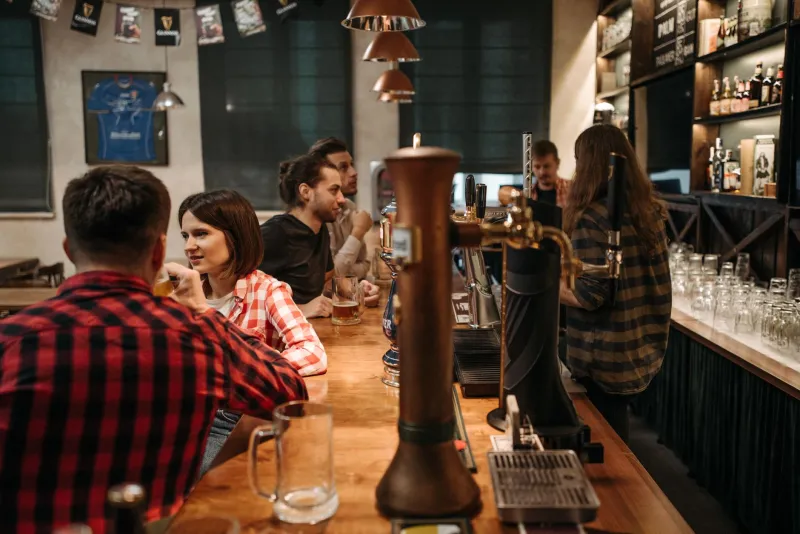
If you picture a British innkeeper, you probably picture them in their own place. Behind their own bar, in their own kitchen, managing their own guests and their own particular collection of small crises. It's an accurate picture, as far as it goes. Running an inn is one of the more self-contained ways a person can spend their working life.
But spend any time in the world of British hospitality and you start to notice something that doesn't always make it into the public-facing story: innkeepers talk to each other. A lot. And those conversations — over coffee at trade events, across WhatsApp groups that never sleep, at regional gatherings that feel more like reunions than networking — are quietly central to why British inns are as good as they are.
The Myth of the Lone Innkeeper
There's a romantic notion that the great British inn is the product of a single vision — one person's taste, stubbornness, and sheer force of will. And there's truth in that. The best inns do tend to carry a strong individual stamp. But behind almost every innkeeper who's built something genuinely special, you'll find a network of peers who've helped them get there.
This isn't something that gets talked about much publicly. There's a natural reticence about admitting that you've borrowed an idea from a competitor, or that you rang someone three counties away in a panic because your head chef had just handed in their notice. But in private, innkeepers are remarkably open with each other — more so, perhaps, than professionals in almost any other sector.
Partly this is geography. An inn in the Yorkshire Dales isn't really competing with one in the Cotswolds. The guest pool doesn't overlap in the way it might for two restaurants on the same high street. That removes a lot of the usual defensiveness.
How the Conversations Actually Happen
Some of it is formal. Bodies like the British Institute of Innkeeping run events, training days, and forums that bring operators together under one roof. Regional pub and inn associations hold meetings, sometimes in the very establishments their members run. There are trade fairs, supplier events, and hospitality conferences where names get exchanged and conversations start.
But plenty of the most useful exchange happens informally. A text sent on a Sunday afternoon asking what someone else does about their noise curfew. A group chat that starts as a way to share supplier recommendations and ends up as a place where people admit their anxieties at midnight. A phone call between two innkeepers who've never met in person but have been following each other's work for years.
"You'd be surprised how quickly trust builds," one inn owner in the Lake District put it, describing how she'd first connected with a peer in Shropshire through a hospitality forum. "We're not selling the same thing to the same people. So there's no reason not to be honest."
What Gets Shared
The range of knowledge that moves through these networks is broader than you might expect. Some of it is practical and immediate: how to handle a bad review, what to put in a staff handbook, which suppliers are actually reliable and which ones promise more than they deliver. These are the nuts-and-bolts conversations that keep businesses running.
But some of it is more philosophical. How do you preserve the character of an old inn when you're making necessary updates? How do you balance being a local pub with being a destination for visitors? How do you pass on the knowledge you've accumulated over twenty years to someone who's just starting out? These are harder questions, and they don't have quick answers — but they get asked, and they get wrestled with, in the spaces between the practical stuff.
Mentorship is a thread that runs through all of it. Experienced innkeepers taking calls from newcomers. Not because they're obliged to, but because most of them remember what it felt like to be new to all this, and someone helped them.
Preserving What's Worth Keeping
One of the more quietly important functions of these networks is the preservation of tradition. Not in a stuffy, museum-piece way — more in the sense of keeping genuine knowledge alive and circulating.
How to run a proper cellar. The right way to introduce a new regular to the rhythms of the bar. How to handle a difficult local who's been coming in for thirty years and thinks the place belongs to them. What to do when a beloved staff member retires and takes half the institutional memory of the pub with them.
This kind of knowledge doesn't live in manuals. It lives in people, and it travels between them through conversation. The networks that connect British innkeepers are, among other things, a living archive of how hospitality is done well — and why it matters.
Innovation by Osmosis
The flip side of preservation is innovation, and the same networks that keep traditions alive also carry new ideas surprisingly efficiently. A small inn in Cornwall tries something interesting with its breakfast menu. Word gets around. Someone in Northumberland adapts the concept for their own context. The idea evolves, gets refined, becomes something neither originator would entirely recognise — and guests in both places benefit.
This is innovation by osmosis rather than by design, and it suits the culture of British innkeeping rather well. Nobody's holding a structured brainstorming session. They're just talking, noticing what's working for other people, and thinking about whether it might work for them.
When Things Go Wrong
Perhaps the most undervalued function of these informal networks is the one that kicks in during a crisis. Flooding. A kitchen fire. A sudden illness that takes the innkeeper out of action for a month. These things happen, and when they do, the support that comes from peers — practical, emotional, sometimes financial — can be the difference between a business surviving and one that quietly closes.
The hospitality industry has a reputation for being tough on its people. Long hours, thin margins, relentless public scrutiny. All of that is real. But there's another side to it: a genuine solidarity among people who understand what the job actually involves, and who show up for each other when it counts.
A Community That Travels Well
For guests, none of this is visible. You sit in a beautifully run inn in the Brecon Beacons and have no idea that the innkeeper learned their approach to local sourcing from a conversation with someone in Suffolk, or that the way the bar is laid out was inspired by a visit to a place in Derbyshire that a friend recommended.
But it's there, underneath everything. The invisible network that connects British innkeepers is part of what makes the great British inn such a resilient, adaptable, and genuinely human kind of place. Every brilliant stay you've ever had was, in some small way, a collective achievement.