Dressed to Stay: What Your Outfit Actually Says When You Walk Into a British Inn
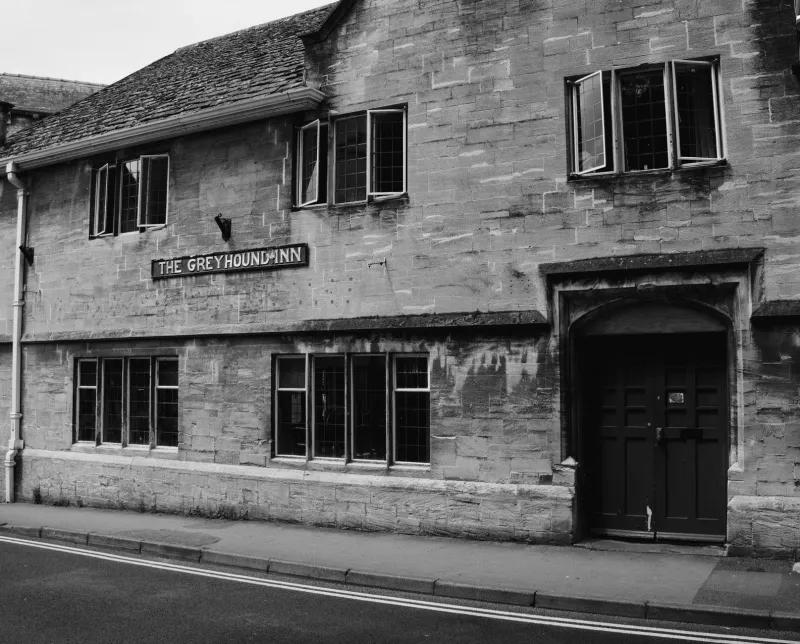
There's no laminated sign. No stern maître d' with a measuring tape. Most British inns wouldn't dream of telling you what to wear — and yet, walk into the wrong establishment in the wrong gear, and you'll feel it instantly. A slight pause at the bar. A flicker across the landlord's face. The faint sense that you've missed something everyone else already knows.
Dress codes at British inns are unwritten for a reason. They're not rules. They're atmosphere — and the best travellers learn to read them before they've even pushed open the door.
The Boots Question
Let's start with the most contentious item in any British inn wardrobe: the wellington boot.
In certain establishments — particularly those sitting at the edge of a national park, or tucked down a farm track in the Dales — wellies at the bar are practically mandatory. The boot rack by the entrance, the stone-flagged floor, the laminated map of local walks pinned near the fireplace: these are all signals. You're expected to arrive muddy. The landlord would be mildly concerned if you didn't.
But transport those same boots to a coaching inn in a market town, or a smartened-up gastro pub in a village with a Michelin-starred neighbour, and the atmosphere shifts. Nobody will ask you to leave. But the wellies will feel conspicuous in a way that's hard to shake — and you'll spend the evening quietly aware of it.
The trick is to look at the car park before you commit. Range Rovers with actual mud on them? Wellies are fine. Freshly valeted estates and a carefully tended herb garden by the entrance? Perhaps not.
Smart-Casual: The Great British Fudge
Ask most inn owners what their dress code is for dinner and they'll say "smart-casual" with a confidence that suggests this phrase means something specific. It doesn't. It never has. Smart-casual is the great British compromise — a way of saying "we'd like you to make a bit of effort" without committing to anything enforceable.
In practice, smart-casual at a British inn dining room tends to mean: no football shirts, no flip-flops, and ideally something that wasn't pulled from the bottom of a rucksack twenty minutes ago. Beyond that, interpretation varies wildly. A blazer over a clean shirt will see you right almost anywhere. Chinos and a decent jumper are rarely wrong. A ballgown is probably too much, but nobody's going to complain.
Where it gets interesting is at the upper end of inn dining — those establishments where the kitchen has genuine ambitions and the wine list runs to several pages. Here, smart-casual quietly becomes something closer to smart. The regulars know this. They arrive looking like they've thought about it. First-timers sometimes don't, and while the staff will seat them graciously and never say a word, there's a certain social texture to the room that the underdressed guest can't quite access.
What Innkeepers Are Actually Noticing
Spend any time talking to experienced innkeepers and a pattern emerges: they're not judging guests on their clothes so much as reading them. What you wear communicates how you intend to spend your time, how long you've been travelling, whether you're a regular or a first-timer, and sometimes — with uncanny accuracy — whether you're likely to be high-maintenance.
A guest who arrives in the evening already changed into something fresh is usually, in an innkeeper's experience, someone who settles in easily and knows how to enjoy themselves. A guest who arrives in full walking kit and asks about dinner times is a walker who's had a good day and deserves a decent meal. A guest in a suit who's visibly loosening their tie as they cross the threshold has probably come straight from a meeting and needs a drink more than they need conversation.
None of this is judgement. It's intelligence-gathering — the quiet, instinctive kind that allows a good innkeeper to get ahead of what their guests need before they've had to ask.
Reading the Room Before You Arrive
Seasoned inn travellers develop a feel for dress expectations long before they check in. The inn's own website is the obvious starting point: a homepage full of atmospheric low-lit dining shots and guests in shirts suggests one register; a homepage of families in walking gear and dogs by the fire suggests another.
The menu is equally revealing. If the à la carte features hand-dived scallops and aged beef served three ways, the kitchen is serious — and the dining room will reflect that seriousness in its atmosphere and, quietly, in its expectations. If the menu features a decent pie and a proper ploughman's, you're somewhere that cares about comfort over ceremony.
Reviews are worth scanning for dress-related comments, though they're rarely explicit. Look instead for phrases like "relaxed atmosphere," "unpretentious," or conversely, "special occasion feel" and "beautifully presented room." These are the signals that translate directly into what to pack.
The Quiet Confidence of Getting It Right
There's a particular pleasure in arriving at a British inn and feeling — immediately, instinctively — that you've pitched it correctly. That you're wearing exactly the right thing for exactly this place. It's a small satisfaction, but a real one.
It doesn't require expensive clothes or elaborate preparation. It requires only that you've paid attention — to the inn's character, its setting, its clientele, and the subtle signals it broadcasts before you've even crossed the threshold. That attentiveness is, in a way, the most courteous thing a guest can offer. It says: I've thought about where I'm coming, and I've taken it seriously.
British inns don't enforce dress codes because they don't need to. The atmosphere does the work instead — and the guests who understand that tend to have the best time of all.