Last Orders? Never: Inside the British Inns That Never Switch Off the Lights
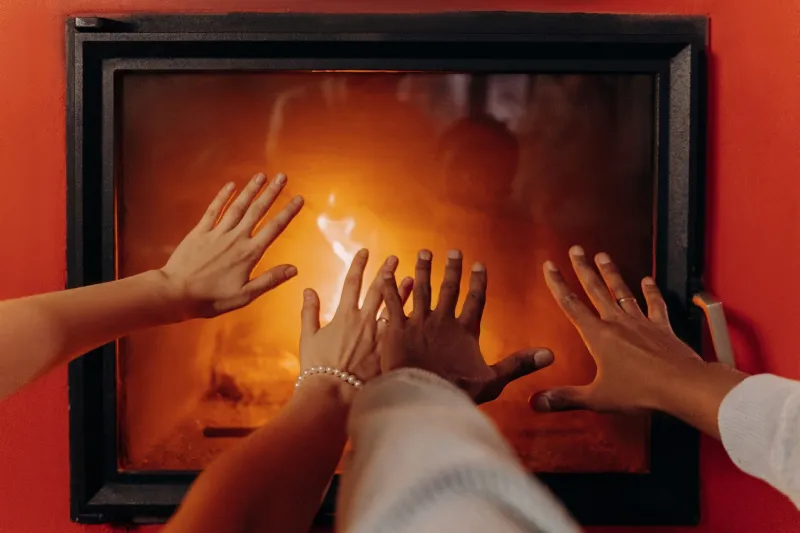
There's a particular magic to a British inn at 2am. The bar stools that were packed at nine o'clock have thinned out, the fire's still going, and somewhere in the corner a conversation is happening that would never take place in daylight. Most inns, of course, are long dark by this point. But not all of them.
Across Britain — tucked into market towns, perched on remote moorland roads, or planted firmly at the heart of working communities — there exists a small, stubbornly persistent breed of establishment that simply doesn't stop. Whether it's a 24-hour licence, an all-night kitchen, or rooms that receive guests at every hour without fuss, these places operate on a different clock entirely. And the culture they've developed is unlike anything you'll find in a standard inn stay.
A Different Kind of Hospitality Altogether
Run an inn long enough and you start to understand that hospitality has a rhythm. Deliveries in the morning, prep through the afternoon, the evening rush, then wind-down. It's a pattern so ingrained that most proprietors barely think about it. Strip that away — keep the doors open through the small hours, every night — and you're forced to rethink everything.
Maggie Holt has run The Wayfarer's Rest in the Yorkshire Dales for eleven years, and for the past four of those she's offered what she calls "proper round-the-clock" service: staffed reception, a limited late kitchen, and a bar that holds an extended licence until 4am on weekends. "People thought I'd lost the plot," she says, laughing. "My accountant certainly did. But we're on a route that gets a lot of long-distance drivers, walkers doing overnight routes, and shift workers from the nearby estates. There was a genuine need and nobody was meeting it."
Meeting that need, it turns out, requires a fundamental rethink of how you staff a building. The traditional inn model — a landlord couple who live above the pub and cover most hours between them — simply doesn't stretch to genuine 24-hour operation. Maggie employs a dedicated night team: two staff who work a rolling pattern from 11pm to 7am, trained not just to serve but to handle room check-ins, minor maintenance issues, and the particular art of reading a late-night guest's mood.
"Night guests are different," she explains. "They're tired, sometimes a bit frayed. They don't want chat — they want efficiency and warmth in equal measure. Getting that balance right took us a good year."
The Regulars Who Live by Different Rules
Every great inn accumulates its regulars. But the late-night inn attracts a very specific kind of devotee — people whose lives simply don't fit the nine-to-five shape that most hospitality assumes.
At The Anchor & Anvil in Shropshire, a former coaching inn that has held a 24-hour licence for nearly two decades, landlord Pete Farrow reels off his nocturnal faithful like old friends. There's a retired paramedic who comes in most nights after his voluntary shift ends at 3am. A novelist who claims she does her best writing between midnight and four, and needs somewhere to be that isn't her flat. A long-distance lorry driver who's been stopping in every few weeks for seven years, always arriving between 1 and 2am, always ordering the same thing: a beef and horseradish bap and a half of bitter.
"He told me once that this place feels like the only constant in his week," Pete says. "That stuck with me. We're not just selling a room or a pint. We're providing a kind of anchor — no pun intended — for people whose lives don't have many fixed points."
That sense of being a reliable constant is, arguably, the whole point of the great British inn. It just turns out that for some people, that reliability needs to extend well past midnight.
Running the Numbers — and the Risks
It would be dishonest to pretend extended-hours operation is without its complications. The licensing requirements alone are considerable: extended licences require applications to the local authority, often face objections from neighbours, and come with strict conditions around noise, security, and management. Staffing a building overnight adds significant payroll costs. And insurance premiums, as several proprietors noted with a wince, reflect the perceived additional risk.
"You have to be absolutely certain the demand is there before you commit," says Farrow. "I did six months of data gathering before I applied for the extended licence. I knew exactly how many guests were arriving after midnight, how many people were asking for late food, what the revenue looked like. If you can't justify it on paper, you won't survive the costs."
For Maggie Holt, the financial case rests on a diversified offer: the late kitchen isn't trying to run a full menu — it's a tight selection of warming, easy-to-prepare dishes that can be turned around quickly with minimal staff. The bar focuses on a small selection of reliable pints and spirits rather than the full range. "You simplify everything," she says. "The late-night offer has to be brilliant at what it does, not ambitious about what it tries to do."
What the Night Reveals About an Inn's Character
There's a reason some of the most interesting inn conversations happen after midnight. The social performance of the evening — the first-date nerves, the work drinks posturing, the tourist selfies — has long since packed up and gone home. What remains, in the small hours, is something more unguarded.
Pete Farrow describes a quality he's come to value enormously: what he calls "the 3am test." "If your inn still feels warm, welcoming, and genuinely itself at three in the morning with four people in it — you've built something real. If it only works when it's full and buzzing, you've built a performance."
That's a thought worth sitting with. The best British inns have always been about more than the peak moment — the roaring Friday night, the perfect Sunday lunch service. They're about being the kind of place that people return to because it simply feels right, at whatever hour they happen to need it.
Finding Your Late-Night Inn
If you're planning a trip that might benefit from an establishment that keeps its lights on past conventional hours — whether you're a long-distance driver, a walker tackling an overnight route, or simply someone who likes knowing that a decent pint and a warm room are available on your schedule rather than the inn's — it's worth doing a little research before you book.
Call ahead rather than relying on website listings, which are often out of date. Ask specifically about staffed reception hours, late kitchen availability, and whether the bar holds an extended licence. Most inns that operate this way are proud of it and will tell you clearly what to expect.
And if you do find yourself settling onto a stool at half past midnight in a well-worn British inn, fire still going, a handful of fellow night owls keeping their own quiet company — raise a glass to the proprietors who decided the tradition was worth keeping alive past last orders. They're a rare breed, and the road is considerably better for them.