Know Before You Go: The Unwritten Rules That Run the Great British Inn
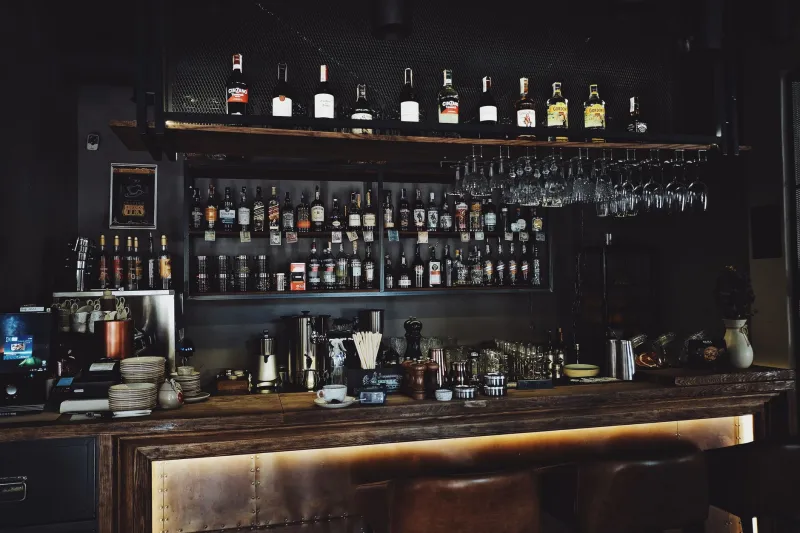
Walk into the right British inn on the right evening and you'll feel it almost immediately — a kind of invisible architecture holding everything together. The regulars perched in their usual spots. The landlord who knows what everyone's drinking before they've opened their mouths. The quiet nod that passes between two people at the bar like a secret handshake. Nothing is written on a sign. Nothing is explained. And yet somehow, everyone seems to know exactly how things work.
For visitors, that atmosphere can feel either wonderfully inviting or quietly intimidating. The truth is, it's both — and learning to read the room is half the pleasure of a proper inn stay in Britain.
Here's what's actually going on, and how to navigate it with confidence.
The Bar Isn't a Queue — But It Kind of Is
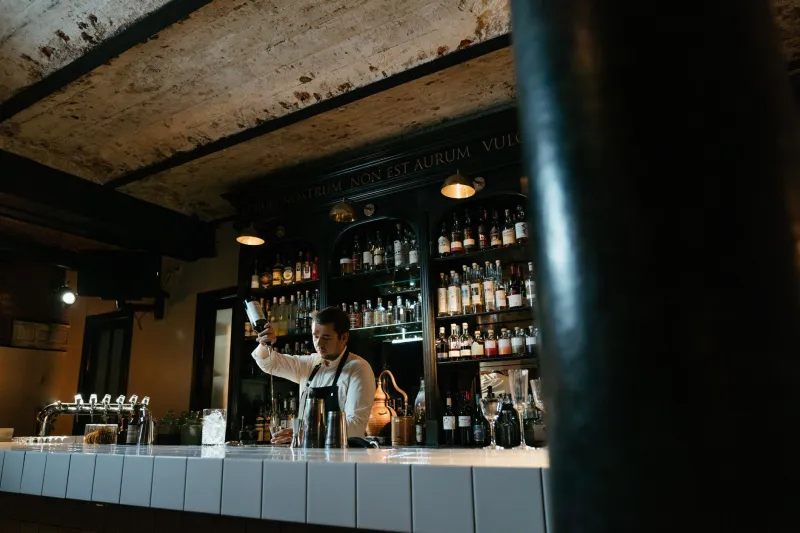
One of the first things visitors notice at a busy British inn is that there's no formal queuing system at the bar. No ticket machine, no rope line, no number called. And yet, somehow, the landlord almost always knows who was there first.
This is one of those quietly miraculous things about the British pub: an informal order is maintained through a combination of peripheral vision, social awareness, and years of practice on both sides of the bar. A good publican clocks arrivals the moment they step up. They'll work their way along in sequence, even while pulling a pint and holding a conversation about last night's match.
Your job as a guest is simply to be visible without being pushy. Make eye contact. Don't wave money. Don't snap your fingers (this will not go well for you). Just be present, be patient, and trust the process. The landlord has seen it all before.
Rounds: The Social Contract You Didn't Know You'd Signed
If you're drinking with a group at a British inn, you have almost certainly entered into the round system — whether or not anyone mentioned it explicitly. It works like this: one person buys drinks for the group, then the next person takes their turn, rotating around until everyone has bought once. Simple in theory. Occasionally fraught in practice.
The key rule is this: you do not duck out of a round. If you arrive when others have already bought, you buy when your turn comes — even if you're only planning one more drink. If you genuinely need to leave before your round, say so early and offer to contribute to the kitty. Quietly slipping away just before it's your turn is the kind of social crime that gets remembered.
None of this is enforced by anyone. No one will say a word. But the regulars will notice, and the landlord almost certainly will too.
The Locals' Corner: Respect the Geography
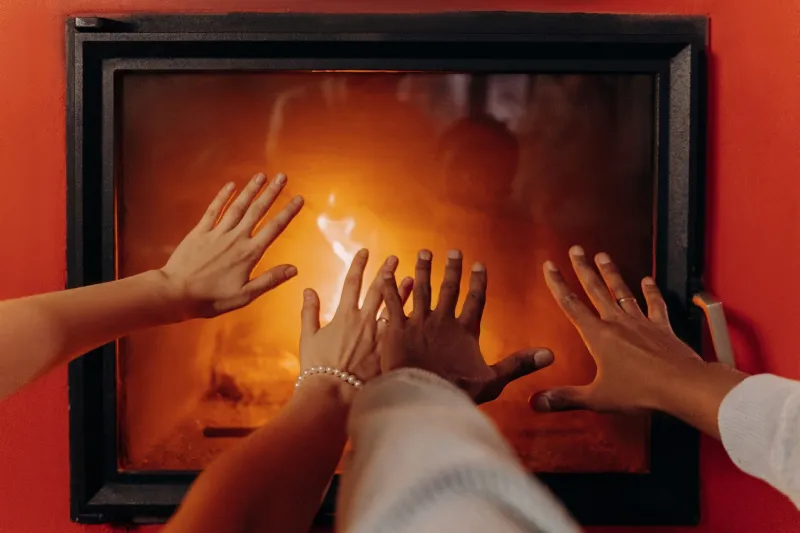
In almost every traditional inn, certain seats belong to certain people — not legally, not officially, but in the way that things simply are. The stool at the far end of the bar where the same man has sat every Thursday for fifteen years. The corner booth occupied by a group of women who've been meeting there since before the current landlord took over. The chair by the fire that's always left for the old boy who arrives at half six on the dot.
Visitors who inadvertently take these spots aren't doing anything wrong. But the warmest welcome tends to go to those who pick up on the signals and choose accordingly. If the pub is quiet and a single stool sits apart from all others in an otherwise empty section of bar, there's probably a reason for that.
When in doubt, ask. A simple "is this seat taken?" goes a long way, and more often than not, the answer will come with a story attached.
Closing Time Is Not a Suggestion
Last orders and closing time are taken seriously in a way that can catch visitors off guard, particularly those arriving from cities or countries where bars blur into the small hours. When the landlord calls time, the expectation is that you begin moving towards finishing your drink — not that you order another one.
"Last orders" means exactly that. It's a courtesy, not an opening for negotiation. Trying to squeeze in one more after the bell has rung is the kind of thing that marks you out immediately. The regulars will be draining their glasses and reaching for their coats. Follow their lead.
There's something rather lovely about this, actually. The rhythm of last orders is part of what makes the British inn feel like a place with its own internal clock — one that's been ticking long before you arrived.
Dogs, Muddy Boots, and the Unspoken Dress Code
Many of Britain's finest inns are walking-friendly, countryside affairs where dogs are not just tolerated but genuinely welcomed. There's usually a water bowl by the door. The landlord will often greet the dog before the owner. All of this is wonderful.
What's less wonderful is the assumption that any inn is automatically fine with muddy boots tracked across a carpeted lounge, or a wet dog shaking itself over someone else's Sunday roast. The rule of thumb is to check signage at the entrance — most dog-friendly inns make it clear which areas welcome four-legged guests — and when in doubt, ask.
The same principle applies to attire generally. Traditional inns aren't black-tie affairs, but there's a baseline of consideration expected. Drenched waterproofs dripping onto bar stools, or football kit worn in a dining room on a Saturday evening — these things create friction that nobody wants.
Conversation: The Art of the Gradual In
One of the great pleasures of staying at a British inn is the conversation that tends to develop naturally over the course of an evening. But it rarely starts with a stranger launching straight into their life story. There's a gradual warm-up involved — a comment about the weather, a question about the beer, a remark on the game playing silently on the screen above the bar.
Regulars are generally open to chatting with visitors, but they appreciate the approach as much as the conversation itself. Dive in too eagerly and you can tip the atmosphere from convivial to uncomfortable. Let things unfold at their own pace and you may find yourself, by the second pint, being told about a footpath nobody else knows about, or a local history that doesn't appear in any guidebook.
This is the real gift of the British inn — not just the ale or the accommodation, but the accumulated knowledge of people who genuinely love where they live.
The Code Isn't Exclusive — It's an Invitation
None of this is meant to put you off. Quite the opposite. The unwritten rules of the British inn exist not to exclude outsiders, but to preserve something worth preserving: a sense of community, continuity, and genuine warmth that you simply can't manufacture.
Once you understand the rhythms — the rounds, the corners, the closing bell, the slow art of conversation — you stop feeling like a visitor passing through and start feeling like someone who belongs, at least for the night. And that, in the end, is exactly what a great British inn is for.