Twelve Months, One Inn: The Hidden Rhythms That Shape a Great British Pub's Year
Ask any innkeeper what their job involves and they'll probably mention the obvious: welcoming guests, managing staff, keeping the cellar in order. Push a little harder, though, and you'll start to hear something else entirely — a deep, almost instinctive awareness of time. Not just the clock above the bar, but the broader turning of the year. The way February behaves differently to August. The way a village fete can transform a quiet weekend into something extraordinary. The way a sudden cold snap in October can fill every room in the house.
Running a successful British inn is, in many ways, an exercise in reading the calendar — and knowing when to plan meticulously and when to simply let things unfold.
January: The Quiet That Isn't Wasted
For guests, January at a British inn can feel like a hidden gem — fewer crowds, slower mornings, the kind of peace that's hard to find in summer. For innkeepers, it's something else: a brief window to catch their breath and get ready for everything that's coming.
"January's our planning month, really," says Rachel Hodgson, who runs a 16th-century coaching inn in the Yorkshire Dales. "We review what worked over Christmas, update the menu, talk to our suppliers about what's coming into season. It looks quiet from the outside, but it's one of the most productive months we have."
Staff rotas get restructured. Maintenance jobs that couldn't happen during the busy months — repainting the snug, fixing the flagstone path, servicing the range — finally get done. And experienced innkeepers use the lull to lock in bookings for the year ahead, negotiating with local event organisers and securing their spot in the regional food and drink calendar.
Spring: The Great Gear Change
Somewhere around late March, something shifts. Walkers start appearing on the lanes. Garden furniture gets dragged out from the barn. The first inquiries about Easter accommodation land in the inbox.
Spring is when the hospitality engine revs back up, and the challenge is making sure it doesn't stall. Seasonal staff need hiring and training. Menus pivot from slow-braised and hearty to lighter, greener, more foraged. Beer gardens that were muddy wastelands in February become genuine selling points by April.
For inns with strong ties to the agricultural calendar — and there are plenty across Herefordshire, the Cotswolds, and the Scottish Borders — spring also means lambing season, which brings its own influx of visitors wanting to experience something genuinely rural. "We get a lot of families in late March who want their kids to see the countryside doing its thing," says Tom Arkwright, who keeps an inn near Ludlow. "We work with the farm next door to offer little tours. It's not something we advertise heavily — it's just become part of what we are."
Summer: Controlled Chaos and Community
If January is the inn's quiet thinking time, summer is its performance. Bank holidays, village fetes, agricultural shows, music festivals, cricket matches — the diary fills up fast, and the inns that thrive are the ones who've been planning since winter.
Local festivals are particularly powerful. An inn positioned near a well-attended folk festival or county show can see room occupancy jump dramatically for that weekend alone, provided they've got the staffing and stock to handle it. "We track every local event within about 20 miles," says Rachel. "Some of them we actively partner with — offering a pre-event supper menu, that sort of thing. Others we just make sure we're ready for the footfall."
But summer also brings pressure. Kitchens get stretched. Rooms turn over faster. The guests are more varied — more tourists mixed in with the regulars — and managing that blend requires a particular kind of social skill. The best innkeepers make it look effortless. Most will quietly admit it isn't.
Autumn: The Season That Rewards Loyalty
Many innkeepers will tell you, unprompted, that autumn is their favourite time of year — and not just for the obvious reasons. Yes, the light is golden and the countryside is spectacular. But there's also a particular quality to the guests who visit in September and October. They tend to be deliberate travellers: people who've sought out a specific inn rather than stumbling across it, who want a proper meal and a good conversation and aren't in a rush to be anywhere.
"Autumn regulars are the backbone of what we do," says Philippa Crane, who runs a stone-built inn on the edge of Dartmoor. "They come back every year. They know the staff by name. They ask what's new on the menu. That loyalty — it's what gets you through the harder months."
Harvest festivals, half-term walking breaks, and the run-up to Bonfire Night give the diary plenty of natural hooks. For food-led inns, it's also the season when local suppliers are at their most generous — game, root vegetables, orchard fruit, wild mushrooms. The kitchen often produces its best work in October.
Winter: The Art of Making People Feel Found
Christmas is, of course, the headline event — and for many inns, December accounts for a disproportionate slice of the annual revenue. Festive menus, party bookings, mulled wine on the bar: it's a season that rewards preparation and punishes the unprepared.
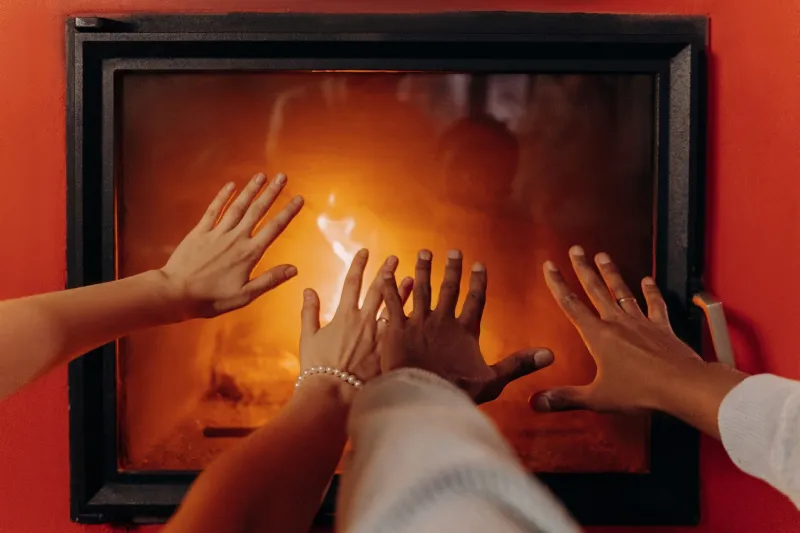
But the real skill of winter innkeeping lies in what happens either side of Christmas. Getting people through the door in mid-November or in the strange, flat week between Christmas and New Year requires a different kind of magic. Log fires help. A thoughtful seasonal menu helps more. But mostly it comes down to atmosphere — the sense that you've walked into somewhere genuinely warm and welcoming, not just a building that happens to be heated.
"People don't come to an inn in winter for the weather," says Tom. "They come because they want to feel like they belong somewhere for a night or two. That's what we're selling in December — a feeling. Everything else is just detail."
The Unexpected: The Best Bit Nobody Plans For
For all the planning and preparation, every innkeeper interviewed for this piece said the same thing when asked about their most memorable moments: they were almost never the ones they'd scheduled.
A snowfall that stranded a group of strangers who ended up becoming fast friends. A wedding party that turned into a spontaneous céilidh. A quiet Tuesday evening that somehow became the best night of the year.
The hospitality calendar gives structure. But the inns worth travelling for are the ones that know when to put the clipboard down and let something unexpected happen.
That, perhaps more than any seasonal strategy or event partnership, is what separates a good inn from a brilliant one.