Passing the Torch: The Delicate Art of Handing Over a Beloved British Inn
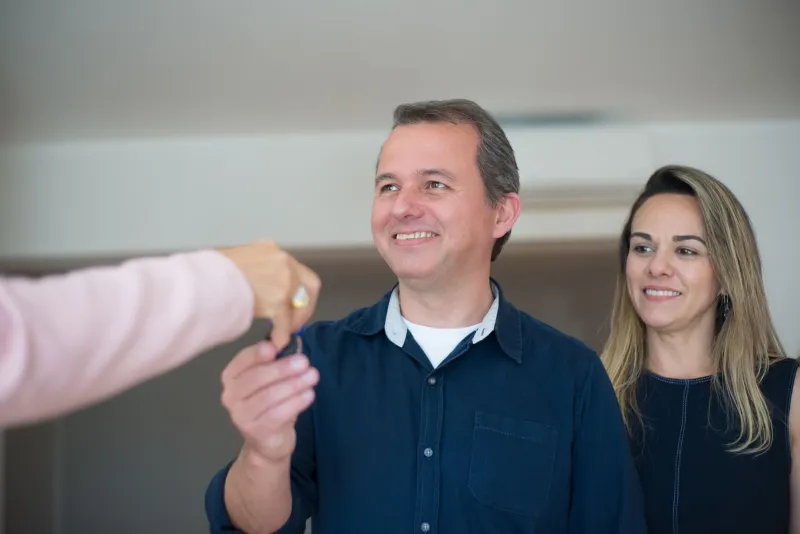
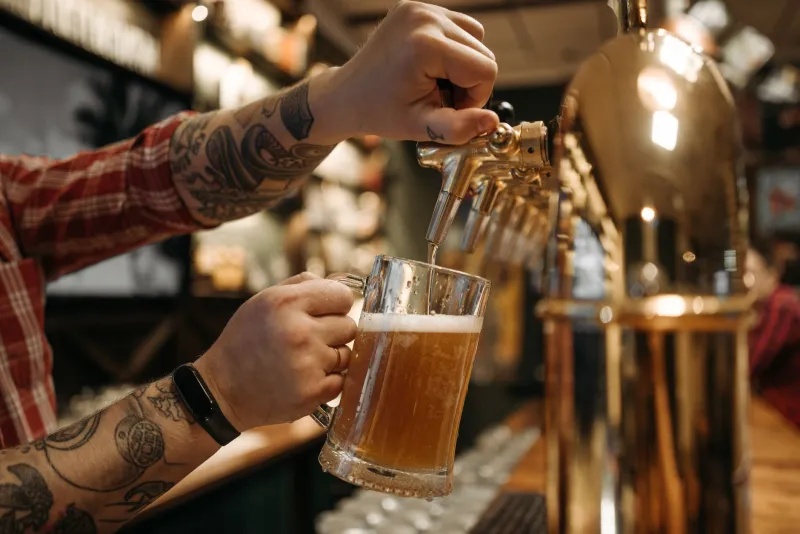
There's a moment, somewhere between the legal paperwork being signed and the first pint being pulled under new ownership, when an inn holds its breath. The regulars are watching. The staff are watching. Even the building itself — with its uneven flagstones and smoke-darkened beams — seems to be waiting to see what happens next.
Changing hands is one of the most precarious things a British inn can do. Get it right, and the place flourishes with fresh energy while keeping everything that made it special. Get it wrong, and you can empty a bar of thirty years' worth of loyal customers in a single badly-judged menu relaunch.
So what separates the successful handovers from the disasters? We spoke to innkeepers across England, Wales, and Scotland who've been on both sides of that threshold.
The Weight of What Came Before
Anyone who's ever taken over an established inn will tell you the same thing: you're not just buying a business. You're inheriting a community's living room.
"The first thing I did when I got the keys was nothing," admits Rhiannon, who took over a centuries-old inn in rural Shropshire from a couple who'd run it for nearly two decades. "I just sat in the bar on a quiet Tuesday and listened. To the staff, to the regulars, to the way the place felt at half past three in the afternoon when there was nobody in it. You can't change what you don't understand yet."
That instinct — to observe before acting — comes up again and again in conversations with new innkeepers who've made a success of their transitions. There's a temptation, particularly for those arriving with fresh ideas and a business plan full of optimism, to start making their mark immediately. But the inns that navigate change well tend to be the ones where the new proprietor takes the time to learn what they've actually walked into.
This is especially true in family handovers, where the emotional stakes are higher and the unspoken rules run deeper.
When It Stays in the Family
For innkeepers who've grown up in the trade, the handover often begins years before any formal transfer of ownership. Children who've spent their childhoods pulling through crates of mixers, helping with breakfast service, or doing homework at a corner table absorb the culture of a place long before they're running it.
Martin took over his family's inn in the Yorkshire Dales from his parents, who'd run it for thirty-one years. "The hardest part wasn't the business side," he says. "It was learning to make decisions my way when my dad was still popping in every other day with an opinion. He wasn't wrong, ever, really. But I needed to find my own voice in the place."
The tension between honouring a parent's legacy and establishing your own identity is one that crops up in almost every family handover story. The inns that handle it best tend to have had frank conversations about boundaries — about what the outgoing generation is genuinely handing over, not just in terms of assets, but in terms of authority.
"My mum kept the same supplier for her homemade pies for twenty-two years," says Jess, who runs a small inn in the Brecon Beacons that's been in her family for three generations. "When I switched, there were customers who genuinely felt personally offended. But I'd found a local woman who was making something extraordinary, and I believed in it. You have to be willing to weather that." The pies, she notes with a grin, now have a waiting list.
The Unwritten Codes
For those taking over from non-family, there's a different kind of education involved. Many outgoing innkeepers describe a period of informal handover that goes far beyond what any solicitor's checklist would cover — walking new owners through the quirks of the building, introducing them to key regulars, and sharing the kind of institutional knowledge that simply can't be written down.
Who gets the table by the window on a Sunday. Which member of staff needs a quiet word of encouragement on busy nights. Which local supplier will go the extra mile if you're in a bind, and which one needs chasing. The name of the farmer who owns the field behind the car park and why it matters to stay on good terms with him.
"I spent three weeks doing a proper handover with the previous owners," says Dan, who bought an inn in the Cotswolds four years ago. "Some people thought that was excessive. I thought it was barely enough. There's a decade of relationship-building baked into a place like this. You can't absorb that in an afternoon."
The outgoing innkeeper's willingness to invest in that handover period often turns out to be one of the clearest indicators of how much they truly cared about the place — and how likely the transition is to succeed.
What to Keep, What to Change
Every new innkeeper faces a version of the same calculation: which elements of a place are load-bearing, and which ones are just habit?
The safest approach, most experienced proprietors agree, is to treat anything with genuine emotional resonance as untouchable in the early months. The annual quiz night that's been running for fifteen years. The locally brewed ale that's been on the pump since before anyone can remember. The blackboard in the hallway where the chef writes the specials by hand. These things carry meaning that runs deeper than their practical function.
Changes that tend to land well are those that improve without disrupting — better bedding, a smarter breakfast offering, a refreshed wine list. Changes that tend to cause trouble are those that signal a shift in the inn's fundamental identity: a rebrand, a sudden lurch upmarket, or the removal of something that regulars have quietly organised their week around.
"I repainted the snug in the first month," admits one innkeeper in Northumberland, who asked not to be named. "Same colour, mind you. Just fresher. And I still had a bloke tell me it didn't feel right. That's when I realised how much people notice, even when they're not consciously looking."
The Soul of the Place
What makes a great handover, ultimately, is a new innkeeper who understands that they are, in some sense, a custodian as much as an owner. The building has outlasted previous proprietors and will, in all likelihood, outlast them too. The community that gathers around the bar has a relationship with the place that predates their arrival.
That doesn't mean standing still. The best inns evolve — they have to, to survive. But the evolution that works is the kind that grows naturally from what's already there, rather than arriving fully formed from somewhere else entirely.
Rhiannon, back in her Shropshire inn, puts it simply: "I didn't come here to make it mine. I came here to make it better. There's a difference, and once you feel it, everything else gets easier."
The regulars, for what it's worth, have noticed. The bar on a Friday evening is as full as it's ever been.