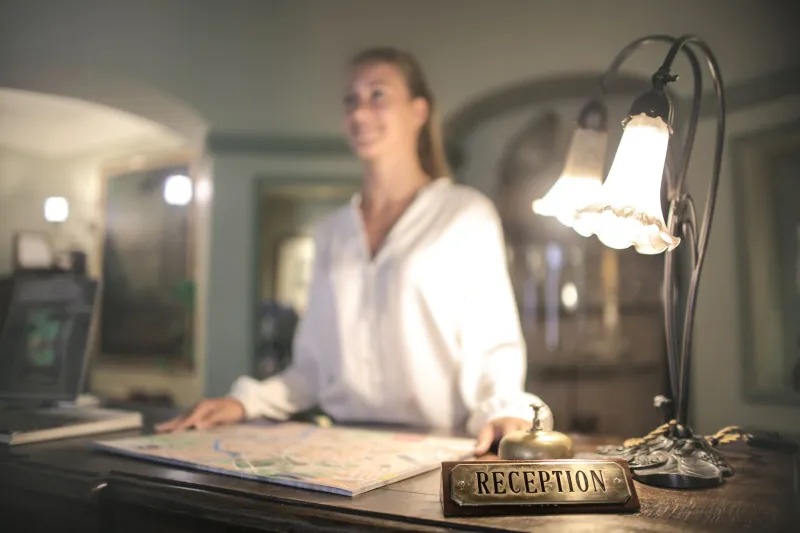
Ink, Chalk, and Character: What Handwritten Notes Reveal About the Inns That Write Them
There's a moment most inn guests will recognise. You've just dropped your bag on the bed, had a quick nose around the room, and then you spot it — a small, handwritten card propped up on the windowsill. Maybe it's telling you that the shower takes a moment to warm up. Maybe it's recommending the lamb at the pub down the lane. Maybe it's just a cheerful little note saying the Wi-Fi password is the name of the landlord's dog. Whatever it says, it makes you smile.
That's not an accident.
The handwritten note is one of the most quietly powerful tools in a British innkeeper's arsenal. In a world of laminated instruction sheets and QR codes, a biro scrawl on a piece of card stock carries something that no professionally printed material can manufacture: genuine human presence. And if you start paying attention to these notes — really paying attention — you'll find they tell you an enormous amount about the inn itself.
The First Impression You Didn't Know You Were Getting
Before you've spoken to anyone at reception, before you've tasted the food or tested the mattress, the handwritten signs around an inn are already forming your impression of the place. A chalkboard in the entrance hall covered in looping, enthusiastic script — tonight's menu, a local walk recommendation, a reminder that muddy boots are welcome but should be left in the porch — signals something immediately. This is a place run by people who care. People who were here this morning, thinking about you.
Contrast that with a printed A4 sheet in a plastic sleeve, its font chosen by a template and its language borrowed from a hotel chain's brand guidelines. Both might contain the same information. Only one of them feels like a welcome.
Innkeepers who understand this tend to be deliberate about it, even if they'd never describe it that way. Ask them and many will shrug and say they just prefer it — it's quicker, it's flexible, it's more them. But what they're actually doing, whether they know it or not, is using handwriting as a form of hospitality.
What the House Rules Actually Say About the House
Every inn has a version of the house rules. The interesting bit is how they choose to communicate them.
A typed list of regulations — no smoking, no pets, check-out by ten — reads like a terms and conditions document. Fair enough, but hardly warm. The same information, scrawled on a small chalkboard with a hand-drawn arrow pointing to the dog bed in the corner and a note that reads "Barney sleeps here — please don't let him guilt you into sharing yours", does something entirely different. It sets a tone. It tells you the innkeeper has a sense of humour, that they've thought about their guests as actual people, and that this is a place with a personality rather than a policy.
The specificity of handwritten rules is telling, too. "Please don't use the towels on the dog" is a rule that only exists because someone, once, used the towels on the dog. There's a whole story in that sentence. A history. A character. You won't find that in a hotel chain's welcome pack.
Local Knowledge in Ink
Some of the most valuable things an innkeeper can offer a guest aren't in any guidebook — and they're rarely printed, either. They're written on the back of an old menu, or chalked up on a board by the front door, or tucked into a hand-folded card on the bedside table.
"Best walk: up past the church, left at the stile, don't miss the view from the top — about 40 mins there and back."
"If you fancy a pint somewhere different, try The Fleece in the village — tell them Sarah sent you."
"Farmers' market on Saturday mornings, two minutes' walk. The cheese stall is unmissable."
This is the kind of local knowledge that only comes from someone who actually lives and works in a place — someone with opinions, connections, and a vested interest in making sure you leave having had a genuinely good time. It can't be algorithmically generated. It can't be outsourced. It has to come from a person, and a handwritten note is the most direct channel that person has.
The best innkeepers update these notes constantly. The recommendations shift with the seasons. A summer board might point you towards a riverside pub garden; a winter one might steer you towards a tearoom with a proper log fire. Come back six months later and the chalk will tell a different story.
The Chalkboard as a Living Document
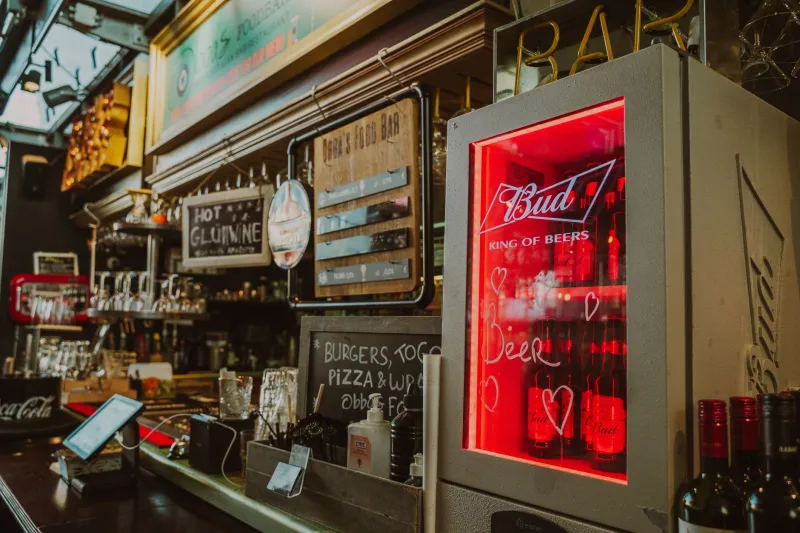
There's something worth saying about chalkboards specifically, because they've become something of a signature feature in British inns — and for good reason. Unlike any other form of signage, a chalkboard is openly temporary. It announces, without saying so, that what's written on it is current. It was written today, by someone who's here today, for guests who are here today.
A chalkboard menu, for instance, signals that the food changes regularly — that the kitchen is responding to what's available rather than rigidly following a fixed card. A chalkboard with today's specials, the day's ale, and a note about the weather forecast isn't just practical information. It's a daily act of communication between the inn and its guests. A kind of ongoing conversation.
There's also something pleasingly imperfect about chalk. The letters wobble. Words get rubbed out and rewritten. Sometimes there's a smudge, or a correction, or a drawing that was clearly done by a bored child on a quiet Tuesday afternoon. These imperfections are features, not flaws. They're proof that a human being made this, in real time, with their own hands.
When the Note Becomes the Memory
Ask anyone about a memorable inn stay and they'll often struggle to describe the thread count or the exact layout of the bathroom. But they'll remember the note. The one that made them laugh. The one with the slightly illegible handwriting that turned out to contain the best restaurant recommendation they've ever followed. The one that said "help yourself to the biscuits — we always make too many" and meant it.
Handwritten notes have a disproportionate impact on memory because they engage us differently to printed text. They feel personal. They feel directed at us, even when they're not. Our brains process them as communication rather than information, which means they stick.
For innkeepers, this is worth knowing. A small card written in your own hand, placed thoughtfully in a room, costs almost nothing — and can be the detail a guest mentions when they recommend you to a friend.
The Analog Advantage
In an era where hospitality technology promises to streamline every touchpoint — digital check-in, automated messaging, app-based room service — there's a growing appreciation for the things that can't be digitised. The handwritten note is near the top of that list.
It's not about being old-fashioned. The best British inns aren't resisting technology; they're choosing their moments. They know that a guest who's just arrived after a long drive doesn't need another screen. They need a kettle, a biscuit, and a small piece of paper that says "welcome, we're glad you're here" — in handwriting that makes them believe it.
That's the thing about ink and chalk. They carry warmth in a way that pixels, for all their convenience, simply can't match. And in the great British inn, warmth has always been the point.