Six in the Morning to Midnight: A Day in the Life of a British Innkeeper
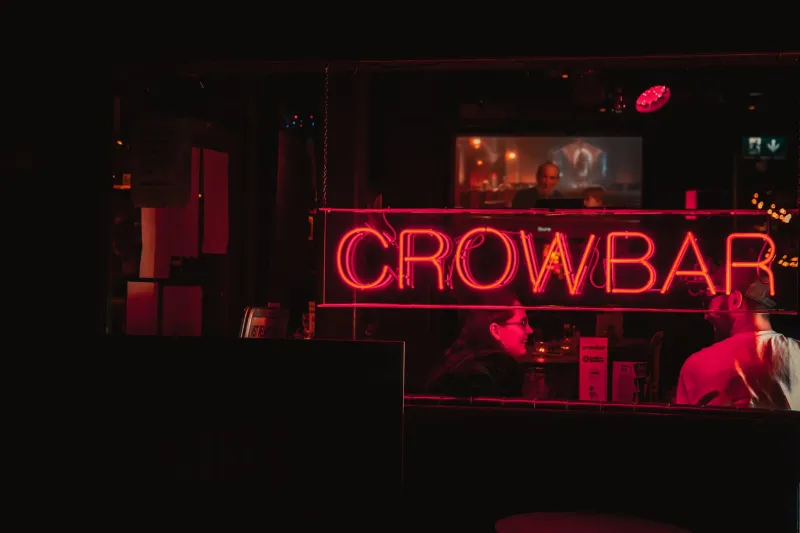
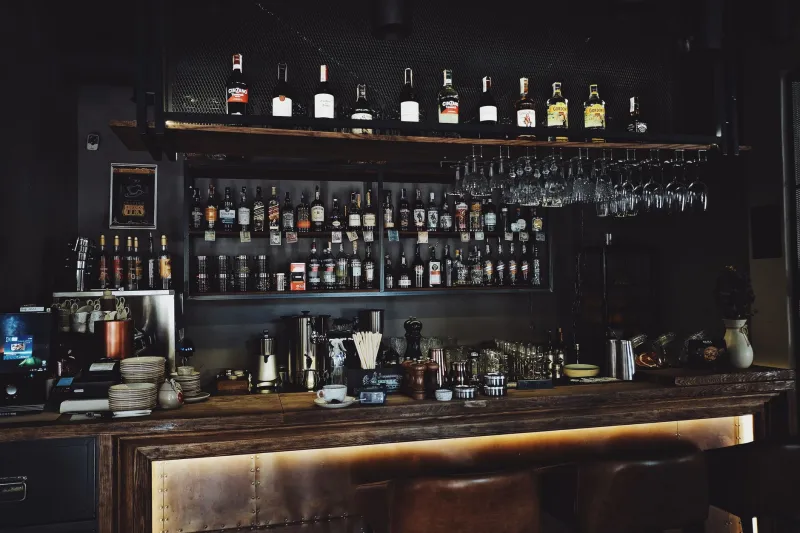
Most guests arrive at a British inn somewhere around three in the afternoon, drop their bags in a room that smells faintly of beeswax and fresh linen, and head downstairs for a pint. By the time they're settled into a fireside chair with a local ale in hand, the place already feels effortlessly alive — as though it simply is this way, as naturally as a stream runs downhill.
What they don't see is the six hours that made it possible.
The First Hour Nobody Witnesses
At the Feathers Inn in Hedley on the Hill, Northumberland, proprietor Karen Errington is typically downstairs before 6am. Not because she has to be. Because the boiler sometimes isn't. "You learn to listen to a building," she says, pouring coffee in a kitchen that's already warm. "If something's going to go wrong, it usually gives you a hint the night before. A gurgle. A pressure drop. You just know."
Across Britain, innkeepers describe this early hour — quiet, unhurried, before staff arrive and guests stir — as the most important of the day. It's when they walk the rooms, check the dining space, scan the bookings, and mentally rehearse what's coming. It's less routine, more reconnaissance.
At a 16th-century coaching inn in the Cotswolds, co-owner David spends his first hour responding to emails from the night before, renegotiating a supplier delivery that's been pushed back, and fielding a request from a guest who wants to bring a horse. "Not a metaphor," he clarifies. "An actual horse. We said yes, in the end. We've got a paddock."
Breakfast: The First Real Test
By 7.30am, the kitchen is properly alive. This is when the quality of the previous evening's prep becomes apparent — and where gaps in planning show up fast. A missing delivery of smoked salmon. A member of kitchen staff stuck in traffic on the A470. A guest who's decided they're coeliac after all and didn't mention it at booking.
Innkeepers are unanimous on one point: breakfast is disproportionately important. "Guests forgive a lot," says Morag, who runs a small inn on the shores of Loch Fyne with her husband. "A slightly slow dinner. A shower that takes a moment to warm up. But breakfast? That sets the tone for the whole stay in their memory. Get it wrong and nothing else quite recovers."
The micro-decisions stack up quickly at this hour. Do you seat the couple who've clearly had a row next to the window table they requested, or quietly shuffle them somewhere less prominent? How do you handle the guest who's been down since 7am nursing a single cup of tea and clearly wants to talk — when you've got six other tables to turn around?
The Middle of the Day: When the Inn Breathes
Between 10.30 and noon, a curious calm often settles. Guests are out walking or driving. The kitchen is reset. This is when the maintenance list — that never-ending, quietly menacing document — gets attention. A sticking door latch in room four. A section of pointing on the east-facing wall that needs looking at before winter. The sign above the car park that's been leaning since August.
At a family-run inn in the Brecon Beacons, owner Rhodri keeps a physical notebook for this list, written in pencil so things can be rubbed out when done. The satisfaction of erasing a completed task, he says, is not to be underestimated. "You could use an app. But there's something about putting a line through it."
This mid-morning window is also when relationships with local suppliers get tended. The butcher who drops by for a coffee and a chat. The farmer two miles down the lane who wants to know if you'll take a trial batch of his new cheese. These conversations are informal, but they're the connective tissue of what makes a genuinely local inn menu possible.
The Afternoon Shift: Arrivals, Expectations, and the Art of Reading People
Check-in, officially, might be from 3pm. In practice, the dance starts earlier. Guests phone ahead to ask if they can leave bags. A minibus of cyclists turns up at 1.30pm having misread their confirmation. Someone arrives two hours early and wants to know if their room is ready — it isn't, but they look exhausted, so you make a call.
"You're reading people constantly," says Karen. "Whether they want to chat or just want to get upstairs. Whether they're nervous — first time at an inn, maybe — or whether they've done this a hundred times and just want the Wi-Fi password and to be left alone. You learn to spot it within about thirty seconds."
This is where innkeeping reveals itself as something closer to a social art than a service industry job. The best proprietors have an almost theatrical instinct for what each guest needs — and the discipline not to project their own preferences onto them.
Evening Service: Where Everything Converges
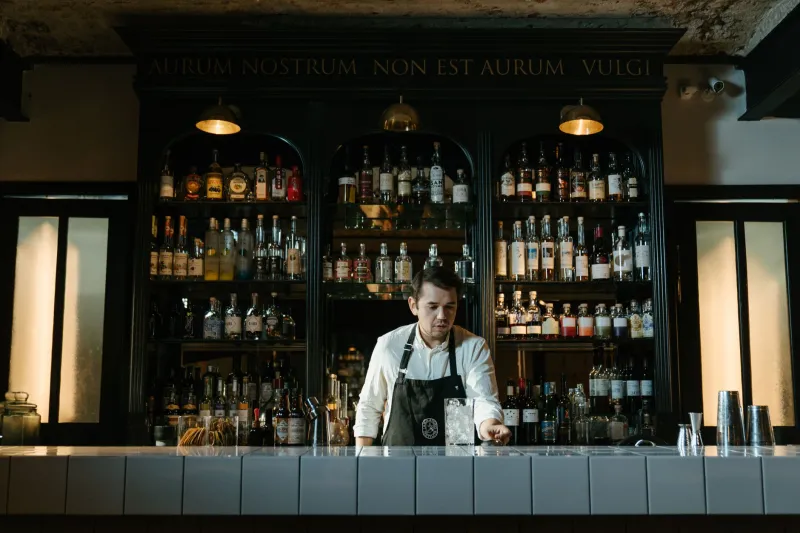
By 6pm, the inn is at full stretch. The bar is open. The kitchen is firing. Guests who've been out all day come back hungry and sociable. Walk-ins arrive for dinner. The staff rota, which looked fine on paper, has a gap in it because someone's called in sick.
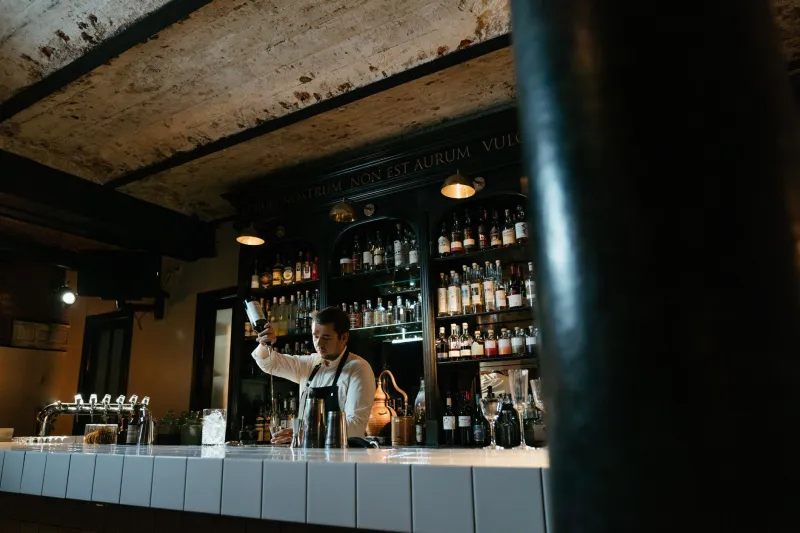
Dinner service at a well-run British inn is a kind of controlled improvisation. Menus are set, but nothing else quite is. A table of eight arrives fifteen minutes early. A guest wants to know if the chef can adapt a dish — not an allergy, just a preference, but they're asking nicely. The log fire needs feeding. Someone at the bar is on their fourth pint and starting to get expansive.
Innkeepers rarely describe this chaos with anything but affection. "It's alive," says Morag simply. "When it's going well, the whole room has a kind of energy. You feel it."
After Last Orders: The Invisible Hour
When the last guests drift upstairs and the bar staff begin cashing up, the innkeeper's day enters its quietest, most solitary chapter. Cash reconciled. Tomorrow's bookings reviewed. A note left for the morning kitchen team about the delivery schedule. A final walk of the building — doors locked, windows latched, boiler checked.
It's rarely before midnight. Often later.
"People ask if I ever switch off," says David, back in the Cotswolds. "And the honest answer is that I'm not sure I know how anymore. But I'm not complaining. This place — the guests, the noise, the chaos of it all — it gets under your skin. You stop being able to imagine doing anything else."
That, perhaps, is the most revealing thing about a day in the life of a British innkeeper. It isn't a job that gets left at the door. It's a vocation that lives in the building itself — in the creak of the stairs, the hiss of the tap, the soft thud of a fire settling in its grate. And every morning, before anyone else is awake, someone is already up, listening to it.