First Impressions: Why a Great Inn's Story Starts in the Garden
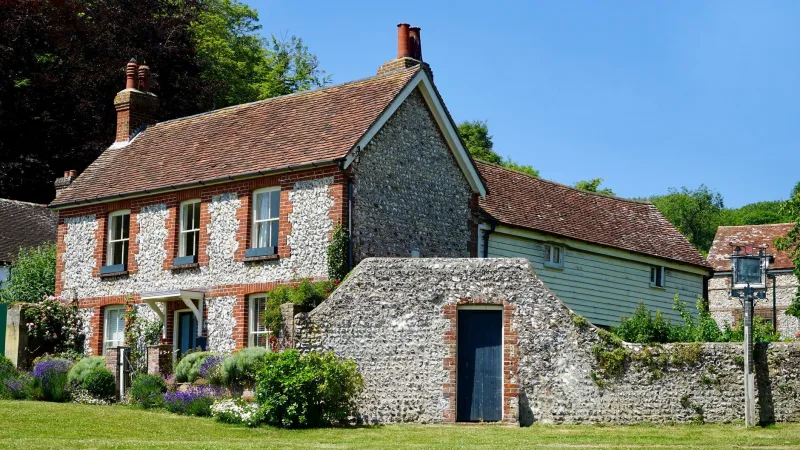
There's a moment — and if you've stayed at enough British inns, you'll know exactly the one — when you pull into a gravel car park, cut the engine, and just sit for a second. Not because you're tired from the drive. Because something outside the windscreen has already made you feel like you've arrived somewhere worth arriving at.
Maybe it's a low stone wall threaded with lavender. A kitchen garden with wonky rows of something leafy and abundant. A pair of wooden benches angled toward a view someone clearly thought about. Whatever it is, it works. And it works before you've spoken to a single soul.
This is the quiet power of the innkeeper's garden — and it's one of the most underrated elements of British hospitality.
The Grounds as a First Handshake
We spend a lot of time talking about what happens inside an inn. The welcome at the bar, the quality of the bed linen, the breakfast spread. But the grounds surrounding a building are doing something just as important, and they're doing it on a tighter deadline.
You form an impression of a place within seconds of seeing it. Psychologists have been telling us this for decades, and innkeepers — whether they've read the research or not — tend to understand it instinctively. A front garden that's been thought about signals that everything else has been thought about too. Peeling paint on a gate and a patch of weeds where there should be something growing? That tells a story as well, just not the one you want to hear before a weekend away.
The best inn gardens don't need to be grand. In fact, the ones that feel most genuinely British are rarely manicured to within an inch of their lives. There's a difference between a garden that's been loved and one that's been landscaped by committee.
Wild Versus Formal: Two Schools of Thought
Talk to innkeepers across the UK and you'll find two broad philosophies when it comes to their outdoor spaces — and both can work brilliantly when done with conviction.
The first is the formal approach: clipped hedges, seasonal bedding plants, a hanging basket that gets refreshed every few weeks, gravel raked to an almost theatrical neatness. This style tends to suit older coaching inns and country house hotels that have leaned into their heritage. There's a reassurance to it. A sense that things are being maintained, that standards are held.
The second is wilder, and increasingly common. Wildflower meadows replacing lawns. Uncut verges deliberately left for pollinators. Herb beds that look slightly chaotic but smell extraordinary when you brush past them. This approach has picked up momentum over the past decade, partly because it aligns with a broader shift toward sustainability, and partly because guests — particularly those escaping cities — actively want to see nature doing its own thing for once.
Neither is right or wrong. The mistake is doing neither — the default of nothing, the garden that's simply been ignored.
When the Garden Feeds the Kitchen
Some of the most compelling outdoor spaces attached to British inns aren't ornamental at all. They're functional. A walled kitchen garden that supplies the restaurant. A row of raised beds growing courgettes, climbing beans, and heritage tomatoes. A corner dedicated to soft fruit that ends up in the breakfast jam.
This kind of garden does double duty. It contributes something real and edible to the guest experience, and it creates a visual narrative that guests can follow from the moment they arrive to the moment they sit down to eat. You see the rosemary growing by the path; later that evening, it's in the lamb. That connection — between outside and inside, between soil and plate — is genuinely powerful, and it's one of the things that separates a truly memorable stay from a pleasant but forgettable one.
Innkeepers who've taken this route often talk about it in terms of honesty. There's nothing performative about a vegetable bed. It either produces something or it doesn't. Guests seem to appreciate that straightforwardness.
Outdoor Spaces That Earn Their Keep
Beyond aesthetics and food production, the best inn gardens serve guests in a practical, unhurried way. A sheltered courtyard with good seating and a decent heater can extend the drinking season by months in the British climate. A well-placed bench facing west can turn a Tuesday evening into something genuinely lovely. A children's corner with a few simple features means families don't have to manage small people indoors the entire time.
These things don't happen by accident. They require the same kind of considered thinking that goes into planning a menu or choosing a mattress. The difference is that outdoor spaces are often treated as an afterthought — something to sort out once the indoors is right. The innkeepers who've turned this logic on its head tend to have spaces that feel noticeably more complete.
What Neglect Actually Communicates
It's worth being honest about the other side of this. A neglected garden isn't neutral. It doesn't communicate nothing — it communicates something quite specific. It suggests that details elsewhere might also have slipped. That maintenance is reactive rather than proactive. That the gap between what the website showed you and what you've actually turned up to might be wider than expected.
This sounds harsh, but guests read these signals whether they mean to or not. A dead hanging basket in October is forgivable. A dead hanging basket in June is a small alarm bell.
The good news is that outdoor spaces don't require enormous investment to be done well. Consistency and care matter far more than budget. A single well-chosen climbing rose on a whitewashed wall, properly tended, will do more for a first impression than a thousand pounds spent on features that nobody maintains.
The Garden as a Reflection of the Innkeeper
Ask any regular traveller around Britain's inns what they notice first and many will mention something outside before they mention anything in. The smell of something flowering. A cat asleep on a wall. The sound of bees in a border. These small sensory details lodge themselves in memory in a way that a perfectly serviceable room often doesn't.
The garden, in the end, is a self-portrait. It reflects what the innkeeper values, what they notice, what they're willing to put time into even when nobody's watching. Which is, come to think of it, a pretty good summary of what great hospitality is about in the first place.
So next time you pull up somewhere new, take a moment before you head inside. What's the garden telling you? Chances are, it's already got quite a lot to say.