Rooted in Place: How the Land Around a British Inn Shapes Everything Inside It
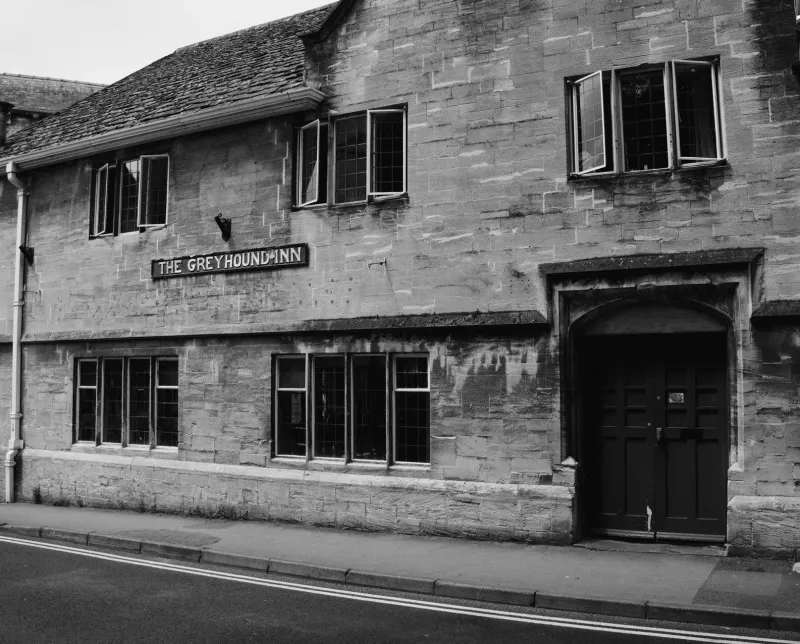
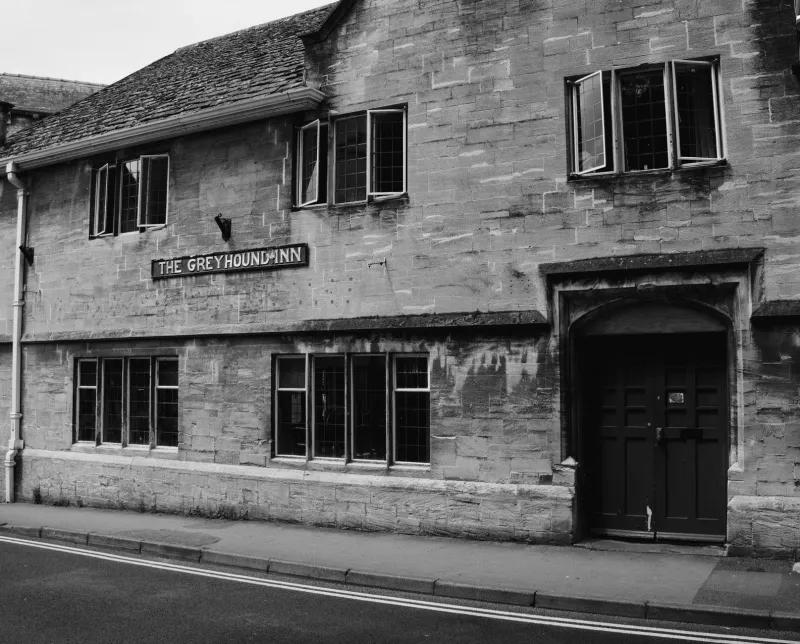
Walk into any great British inn and you'll notice something that's hard to put your finger on at first. It's not just the décor or the beer selection or the way the landlord greets you. It's a feeling — a sense that this particular place could only exist here, in this exact spot, surrounded by this exact landscape. That's not an accident. It's geography doing quiet, powerful work.
The best inns in Britain don't just sit in their locations. They grow out of them.
Why Place Is the First Thing an Innkeeper Inherits
When someone takes on a British inn, they're not simply acquiring a building and a licence. They're stepping into a relationship with a landscape that may have been forming for centuries. A former coaching inn on a draughty moorland road in North Yorkshire carries different expectations than a tucked-away village local in the Shropshire hills. The land sets the terms, and the innkeeper adapts.
Talk to experienced innkeepers and they'll often say the same thing in different ways: you learn the place before you learn the trade. The coastal inn owner who stocks waterproofs by the door and offers early breakfasts for walkers catching the tide isn't just being thoughtful — they're reading their landscape and translating it into hospitality. That instinct, refined over years, is what separates an inn that feels genuinely of somewhere from one that could be anywhere.
The Coastal Inn: Where the Elements Are Part of the Service
There's a particular kind of guest who seeks out a clifftop or harbour-side inn, and they're not coming despite the weather — they're coming because of it. Inns perched above the sea in places like Robin Hood's Bay, Mousehole, or the Pembrokeshire coast have long understood that the drama outside the window is the main event. The hospitality inside exists partly to frame it.
This shapes everything. Rooms tend to face the view rather than the car park. Menus lean heavily on the morning's catch. The bar is built for people who've been battered by wind and salt air and need something warming, not something fashionable. There's a robustness to a well-run coastal inn that mirrors its surroundings — and guests feel it immediately.
The service philosophy tends to be practical and warm rather than formal. Nobody's standing on ceremony when the tide's coming in and the boots need drying by the fire.
Market Towns: The Inn as Community Anchor
Step inland to a market town — a Ludlow, a Hexham, a Faversham — and the inn plays an entirely different role. Here, it's less about landscape and more about community gravity. The market town inn has historically been the place where business gets done, news gets shared, and strangers become familiar faces over the course of a week's trading.
This history leaves a visible imprint. These inns tend to be larger, more adaptable, set up for long stays as much as passing trade. The food leans local in a different way — not fish from the harbour but produce from the surrounding farms and estates, often with relationships stretching back decades. The landlord here is likely to know the town's rhythms intimately: when the farmers' market brings an influx of visitors, when the local show fills every room for miles around, when a quiet Tuesday means regulars at the bar and a chance to breathe.
Guests who stay in a market town inn and make the effort to follow the innkeeper's recommendations — the Tuesday butcher, the Thursday bakery, the Sunday walk along the old drove road — tend to leave feeling like they've actually been somewhere, not just passed through.
Village Inns: The Art of Knowing Everyone
The village inn operates on an entirely different scale and with a different set of pressures. In a small community, everyone knows the inn and the inn knows everyone. This creates a hospitality philosophy that's intensely personal — sometimes almost uncomfortably so for guests used to anonymity.
But that intimacy is also the point. The best village inns have an almost uncanny ability to make a first-time guest feel like a returning one. They know which room gets the morning sun, which table is quietest for a working lunch, which path takes you to the church without getting your shoes ruined. This knowledge isn't in any manual. It's accumulated through years of being genuinely embedded in a place.
The trade-off is that the village inn is often working with less: a smaller kitchen, a tighter team, a more limited cellar. What it lacks in resource it makes up for in character, and the best of them punch well above their weight because the innkeeper has made peace with what they are and leaned fully into it.
The Upland Inn: Hospitality as Survival
Then there are the inns that exist in genuinely remote places — the Pennine drovers' stop, the Dartmoor farmhouse, the inn at the end of a single-track road in the Scottish Borders. These places developed their hospitality traditions out of necessity as much as warmth. When you're the only shelter for miles, you learn quickly what a cold and exhausted traveller actually needs.
This heritage shows up in the culture of upland inns in ways that feel almost ancestral. Generous portions. Drying rooms for wet gear. Rooms that are simple but never cold. A bar that stays open a little longer because the alternative is someone walking home in the dark. There's a no-nonsense generosity to these places that is, in its own way, deeply sophisticated.
Reading the Inn Through Its Setting
For travellers, understanding the geography of an inn before you arrive is one of the most useful things you can do. It tells you what to expect, what to pack, and — crucially — what kind of hospitality you're walking into.
A harbour inn in a fishing village will likely have early risers, a kitchen that starts breakfast at half six, and a bar that smells faintly of salt. A country house inn in a valley will have a different pace entirely — longer evenings, slower mornings, a garden worth sitting in. Neither is better. Both are shaped by exactly where they stand.
The inns that disappoint are usually the ones that have lost that connection — the coastal pub that serves the same generic menu as a city gastropub, the village inn that's been renovated into blandness. Geography, ignored, becomes irrelevant. Honoured, it becomes the whole point.
The Best Inns Feel Inevitable
There's a word that keeps coming up when you talk to people about their favourite British inn stays: inevitable. As in, of course it's like this. Of course the walls are that colour, the menu lists that dish, the landlord knows that shortcut across the fields. Everything makes sense because everything comes from somewhere.
That sense of inevitability — of a place that couldn't be otherwise — is what the best British inns share, regardless of whether they're perched above the sea or buried in a market square. It's not manufactured. It's earned, slowly, by innkeepers who've paid attention to where they are and let that understanding shape every decision they make.
Next time you're choosing a stay, look at the map before you look at the reviews. The landscape will tell you more than you think.