Pull Up a Stool: How British Inns Turn Strangers Into Regulars Before Last Orders
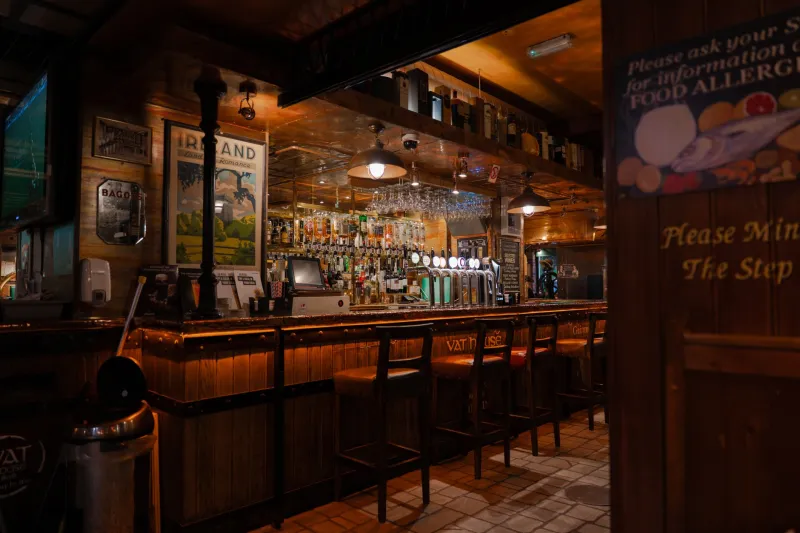
You probably know the feeling. You've checked in, dumped your bag, and wandered downstairs for a quiet pint before dinner. Half an hour later, you're deep in conversation with a retired geography teacher from Shrewsbury about the best walking route over the Howgills, and the landlord is refilling your glass before you've even asked. By the time the kitchen bell rings, you've swapped numbers and made vague but entirely sincere plans to meet up again next spring.
It happens all the time in British inns. And it's not accidental.
The Pub as the Original Third Place
Sociologists have long talked about "third places" — those spaces that sit outside home and work where community life actually happens. Cafés, barber shops, village halls. But the British inn might just be the original template. Long before the term existed in academic literature, innkeepers were quietly engineering the conditions for human connection.
The concept isn't complicated, but it does require intention. A good inn isn't just somewhere to sleep and eat — it's a place designed, consciously or otherwise, to make conversation feel natural. The layout matters. The lighting matters. Even the choice of background music (or the deliberate absence of it) matters enormously.
Sarah Brocklehurst, who has run the Fleece & Furrow in the Peak District for over a decade, puts it plainly: "We took out two of the high-backed booth seats when we refurbished because they were creating these little sealed-off worlds. People would disappear into them and never look up. The bar is where the magic happens — if you can get people sitting at the bar, the conversations start themselves."
Design That Does the Work
It's worth paying attention to what separates an inn that buzzes with sociability from one that feels weirdly silent despite being full. Often, it comes down to the physical architecture of the space.
Circular or horseshoe-shaped bars are a classic trick — they mean you're naturally facing other people rather than staring at the back of someone's head. Low ceilings and warm lighting create an intimacy that encourages people to lean in. A well-placed communal table near the fire gives solo travellers somewhere to settle without feeling marooned.
At the Wheatsheaf in the Yorkshire Dales, landlord Pete Armitage spent three months rearranging furniture before he landed on the current layout. "I kept watching where people gravitated and where they got stuck," he says. "There was one corner that just killed conversations — people would sit there and go quiet. We moved a bookcase, added a lamp, and now it's one of the liveliest spots in the room. I still don't entirely understand why, but it works."
The principle seems to be: remove barriers, reduce formality, and make it easy for people to exist in the same orbit without it feeling forced.
The Innkeeper as Social Conductor
But furniture alone doesn't make a convivial inn. The human element — specifically, the innkeeper — is where it all comes together.
The best landlords and landladies operate with a kind of low-key social intelligence that's easy to underestimate. They remember names. They know who's a local and who's visiting, and they know when a gentle introduction between the two might spark something. They read the room for people who look like they'd welcome a chat, and they're equally good at recognising those who'd rather be left alone.
"You get a feel for it," says Maggie Holroyd, who runs a small inn in the Cotswolds with her husband. "Someone sitting at the bar with a book open but not really reading it — they want company, they just don't want to seem like they're looking for it. You ask them something about themselves, something genuine, and off they go. People love to talk about themselves if you give them the space."
This gentle facilitation — asking the right question, making the right introduction, knowing when to step back — is a skill that takes years to develop. It's also, arguably, one of the most underrated aspects of British inn culture.
Guest Stories: The Connections That Stick
Ask any regular inn traveller and they'll have a story. The couple from Edinburgh who ended up sharing a table with a local farmer and got an impromptu tour of his land the next morning. The solo walker who got talking to a retired couple at the bar and was invited to join them for Sunday lunch the following day. The two strangers who discovered, over a shared board of local cheese, that they'd both been at the same obscure 1990s gig and had been trying to identify a support band for thirty years.
These encounters stick precisely because they're unplanned. There's no app, no algorithm, no curated experience behind them — just two people, a decent pint, and a room that was designed to make talking feel easy.
Jamie, a freelance photographer who travels frequently for work, has made a habit of staying at inns specifically for this reason. "Hotels are efficient but they're anonymous. I've stayed in plenty of brilliant hotels and never spoken to a single person. At inns, I always end up in a conversation I didn't expect. Some of my best tips — places to photograph, hidden spots, local history — have come from random chats at inn bars. You can't Google that stuff."
Why It Matters More Than Ever
There's a slightly melancholy backdrop to all of this. British pubs have been closing at a steady rate for years, and the social fabric they support doesn't simply relocate elsewhere when they go. The inn — that combination of accommodation, food, drink, and genuine community space — is one of the last places where people from genuinely different backgrounds and circumstances end up in the same room without any particular agenda.
That's rarer than it sounds. Most of our social spaces now sort us by interest, income, or algorithm. The inn doesn't. A walking group from London, a local farmer, a couple celebrating an anniversary, a solo traveller on a long-distance route — they all end up at the same bar, and the bar treats them the same.
Keeping that alive takes effort from innkeepers, investment from guests, and a willingness to put the phone down and actually talk to the person next to you.
Making the Most of It
If you're the type who tends to retreat to your room after dinner, it might be worth resisting the urge on your next inn stay. Sit at the bar rather than a corner table. Order something local and ask the landlord about it. If a conversation starts, let it run.
You probably won't regret it. And you might just end up with a story you're still telling years later — about the night you pulled up a stool in a Dales inn and ended up with a friend you never expected to make.
That's the art of the British inn. It's been perfecting it for centuries.