Stranded, Not Stuck: The Unexpected Magic of Being Snowed In at a British Inn
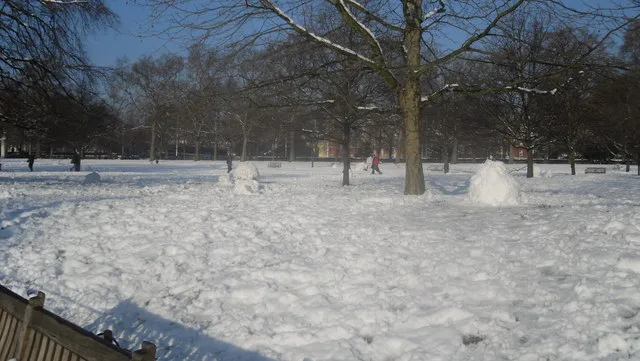
Photo: Peter Smyly, CC BY-SA 2.0, via Wikimedia Commons
There's a moment, usually around four in the afternoon, when the radio stops saying 'disruption' and starts saying 'do not travel'. If you're sitting in a Travelodge car park at that moment, commiserations. But if you're sitting by a log burner in a 300-year-old inn with a landlord who's just said 'well, nobody's going anywhere, is he?' — congratulations. You've won the weather lottery.
The Moment the Doors Stay Shut
Every innkeeper has a snow story, and they all start the same way: with a glance out of the window and a quick bit of mental arithmetic. How many rooms are booked? How much food is in the cold store? How long is the milk going to last?
'I've had three proper snow-ins in twenty years,' says one landlady in the Derbyshire Peak, who asked us not to name her inn because, in her words, 'the road's bad enough already.' 'The first time, I panicked. By the third, I was looking forward to it. There's something about a houseful of people who can't leave that brings out the best in everybody.'
That's the pattern, anyway. When the A-roads close and the satnav gives up, the inn stops being a business and becomes something closer to a very well-stocked lifeboat.
Supper for Sixteen, Somehow
The kitchen is where the improvisation happens. A Sunday menu built for forty covers suddenly has to stretch to sixty, because the dinner guests who were meant to drive home are now staying the night, and the walkers who abandoned their car at the bottom of the hill have just trudged in wearing everything they own.
'You go full witch's-brew mode,' one chef in the Scottish Borders told us. 'There's no menu, there's just whatever's in the larder. Big pots. Stews, soups, a mountain of roast potatoes. Nobody remembers what they ordered. Everybody remembers what they ate.'
The communal table appears, too — that long oak slab normally reserved for large parties becomes neutral ground, and suddenly the couple from Kent are comparing notes on snow chains with the farmer who's been coming in for forty years. Strangers on day one, exchanging phone numbers by the second evening.
The Staff Shift Nobody Planned
Behind the scenes, a snow-in is a logistics puzzle. Staff who live down single-track lanes can't get in; staff who live five minutes away suddenly can't get out. Beds get improvised. Someone's aunt ends up on a sofa. The night porter works a double and gets paid in gratitude and toast.
The inns that handle it well tend to be the ones with deep local roots — the ones where the butcher will happily run a box of sausages over on a quad bike, where somebody's nephew has a tractor and nothing better to do. It's the same invisible network of local goodwill that keeps any good inn ticking; the snow just switches the floodlights on.
Guests Who Never Wanted to Leave
Here's the strange part: plenty of people look back on being stranded as the best stay they've ever had. We heard from a woman who spent three unplanned nights at an inn in the Yorkshire Dales during the Beast from the East. 'By day two we were helping stack logs and peeling sprouts. By day three, I was in the pub quiz team. I've had holidays that cost four times as much and taught me half as much about the place.'
There's a lesson in that, and it isn't 'hope for snow'. It's that the best inns are measured not by how they perform when everything goes to plan, but by what they do when the plan is buried under fourteen inches of the white stuff. A good inn shelters you. A great one turns a hostage situation into a house party.
A Small Request Before You Travel
If you're heading for the hills between December and March, a few practical things are worth doing: check whether your inn has a generator or knows how to cook on gas; travel with the kind of snacks and chargers that make an unexpected extra night bearable; and if the worst happens, offer to help. Dry a glass. Carry a log. Innkeepers remember the guests who mucked in — and next time you book, that goodwill travels with you.
The snow will close the road again this winter. Somewhere in Britain, an innkeeper will look out of the window, sigh, and start peeling extra potatoes. If you're lucky, you'll be there.