Lorries, Lorries, Lore: In Defence of the Roadside Inn
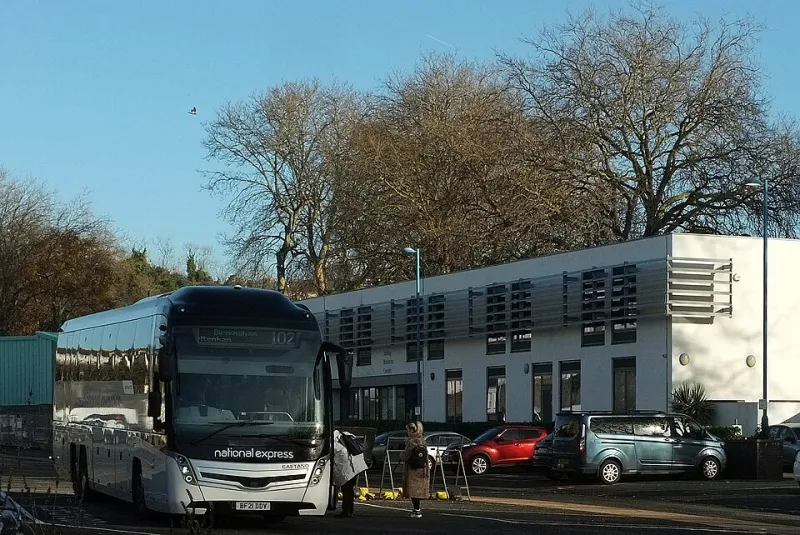
Photo: Derek Harper , CC BY-SA 2.0, via Wikimedia Commons
There is a particular kind of British inn that gets quietly written out of the guidebooks: the one on the A-road. The one with the lorries idling in the forecourt at six in the morning and the parking bays marked out in faded white paint. The one whose sign you can read at seventy miles an hour.
The pretty inn on the square gets the calendar shoots. The roadside inn gets the custom. And, increasingly, the roadside inn gets the better kitchen.
Where the Money Actually Stops
Here's a simple economic truth: an inn on a trunk road can't rely on charm alone. Nobody stumbles in. Nobody's wandered off the footpath for a sundowner. Every single customer has made a positive decision to pull off the road — and the inn knows it. That pressure keeps standards honest in a way that a honey-stone village pub, cushioned by tourist footfall, never quite endures.
The coaching inns of old understood this. They existed precisely because the road ran past the door; their whole business was feeding and watering people in transit. The modern survivors — and there are some magnificent ones from Carlisle to Cornwall — have inherited that DNA. They're built for volume, built for speed, and built for people who are hungry rather than picturesque.
The Food Argument
Now for the heresy: some of the best straightforward cooking in Britain happens at the roadside. When your customers are HGV drivers, farmers, sales reps and van couriers, you cannot hide behind small plates and clever adjectives. The portions must be real. The roast must be a roast. The pie must have met its pastry recently.
Roadside inns were doing generous, honest, properly-sourced food long before 'generous portions' became a marketing strategy. A good one will have a carvery or a daily special board that reads like a list of what's actually available from farms along that same road. The prices make sense. The gravy comes in quantities that suggest the kitchen respects you.
And the harbour cousins — the pubs beside working ports rather than yachting marinas — operate by the same logic. Where the catch is landed ten metres away, the fish is priced like fish, not like theatre. Ask at a working-port pub what's good and you'll be told, not sold.
The Best People-Watching in Britain
There's also the matter of the company. The square in the village is lovely, but it's a stage set; everyone in it is on holiday, including the residents. The bar of a roadside inn is a cross-section of the country as it actually is: the overnight driver on his break, the vet between calls, the family splitting the drive to Scotland, the scaffolders on their way home. Conversations start easier here. Nobody's performing.
If you care more about soul than scenery — and if you're reading Brit Inn, we suspect you do — the roadside inn offers something the postcard pubs can't: unfiltered contact with the place you're actually driving through.
How to Pick a Good One
Not every A-road inn deserves your custom. A few tells:
- Full at odd hours. If the car park is busy at 12.30 on a Tuesday, locals and workers know something you don't.
- A short, confident menu. Roadside kitchens win on rotation, not length.
- Signs of a real landlord. Photos behind the bar, a charity tin with character, a landlady who greets half the room by name.
- A decent pint. If the cask ale is kept well at a roadside boozer, everything else is being taken seriously too.
Pull Off the Road
Next time you're white-knuckling the A303 or the A66, fighting the satnav's siren song of the services, consider the alternative: a two-hundred-year-old inn with a car park full of lorries and a pie the size of your head. It won't photograph like the square in the village. It will feed you better, charge you less, and send you back down the road with a story.
Britain's prettiest inns are a pleasure. Its roadside inns are a public service. Both deserve a room for the night — but only one of them will teach you something about the country you're crossing.