What's on the Breakfast Table Tells You Everything About an Inn's Soul
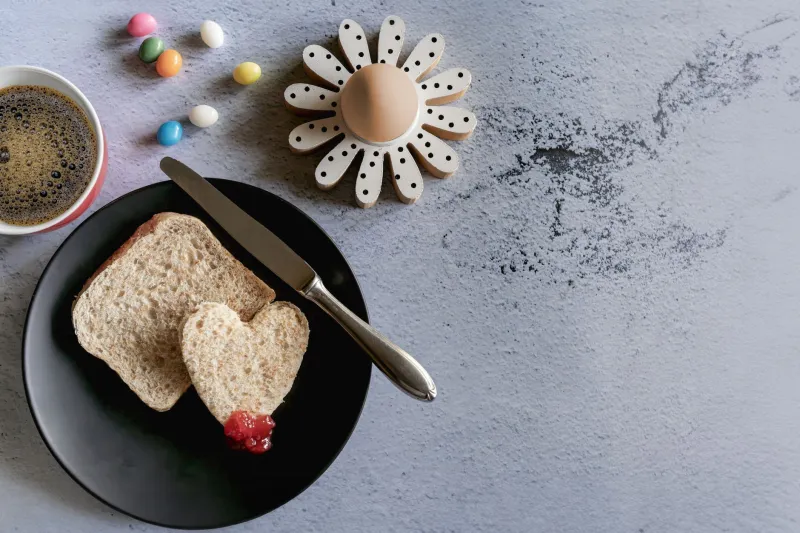
Dinner is where inns show off. The evening menu is composed, considered, lit by candlelight and accompanied by something from the wine list. It's the inn at its most theatrical. Breakfast, though, is where the mask comes off. It's the meal that gets made before the day has properly started, served without ceremony, and eaten by guests who are still half-asleep. Which is exactly why it tells you so much more.
A British inn's breakfast is, in essence, its daily manifesto. Every choice on that table — from the brand of orange juice to whether the butter arrives in a ceramic dish or a foil wrapper — reflects a decision the innkeeper made deliberately or carelessly. Experienced travellers have learnt to read it accordingly.
The Egg Question
Start with the eggs, because they're almost always the most revealing element. At a certain kind of inn, the eggs come from a named farm down the road. Sometimes they come from the inn's own hens, scratching around in a yard you might have walked past the previous evening. The yolks are a deep, almost alarming orange. They taste unmistakably of something.
At another kind of inn, the eggs are from a catering supplier. They're fine. They do the job. But they carry no story, no connection to the land outside the window.
The difference isn't just about quality, though quality is certainly part of it. It's about intention. An innkeeper who sources eggs from a nearby smallholding has thought about breakfast as an act of relationship — with their suppliers, their community, and their guests. That thinking tends to permeate everything else they do.
The Jam Situation
Homemade jam is one of the great quiet signals of a genuinely invested inn. It takes time and effort that nobody is forcing anyone to make. There is perfectly good commercially produced jam available at reasonable cost, and most guests would never notice the difference — until they try the real thing.
An inn that puts out house-made marmalade, or a jam made from fruit grown in the garden or foraged from the hedgerows nearby, is communicating something specific: that the people running this place find meaning in the details. That they're here not just to provide a functional service but to offer something that couldn't exist anywhere else.
It's the same logic as the hand-stitched cushions in the bedroom or the locally-written walking guide on the bookshelf. It's the inn saying: we made this for you, specifically, in this place.
The Vegetarian and Vegan Offering
How an inn handles guests who don't eat meat or animal products is one of the cleaner tests of its hospitality instincts. The lazy approach — a plate of grilled tomatoes, mushrooms, and toast, assembled with the air of mild inconvenience — is still depressingly common. It signals that the kitchen considers vegetarian guests an afterthought.
The more thoughtful approach is becoming more common, and it's genuinely exciting. Smashed avocado with pickled cucumber and sourdough. Shakshuka made with local heritage tomatoes. A full vegetarian spread that treats plant-based ingredients as interesting rather than compensatory. These options signal a kitchen that's curious, creative, and respectful of all the people sitting at its tables.
The best inns don't separate the vegetarian option as a concession. They build a breakfast menu where plant-based choices feel as considered and appealing as everything else. That's a philosophical position as much as a culinary one.
Bread, Butter, and the Small Details
The bread basket is worth examining. Pre-sliced supermarket loaves, however toasted, tell a particular story. A sourdough from the village bakery, or — better still — bread baked in-house, tells another. It's not snobbery to notice the difference. It's paying attention to what an inn has chosen to prioritise.
Butter in a branded foil portion is functional. Butter in a dish, ideally from a local dairy, is hospitality. The distinction is small in cost and enormous in feeling.
The coffee situation matters too. Filter coffee kept warm in a jug for hours is a different statement to freshly ground coffee made to order. Tea served with a selection of blends, including something local or unusual, suggests an inn that has thought about the morning ritual rather than just accommodating it.
The Menu as Map
Read the breakfast menu the way you'd read a map. It tells you where the inn is rooted. An inn in the Welsh Borders that serves laverbread alongside its full breakfast is announcing its geography with pride. A Cornish inn that offers clotted cream with its toast is doing the same. These aren't just food choices — they're declarations of identity.
Conversely, a generic full English that could have been produced identically in a hotel in any British city suggests an inn that hasn't thought about — or doesn't particularly value — its sense of place. Which is a shame, because place is the whole point.
Why It Matters for the Stay
The breakfast table is the last thing you experience before you leave, and it colours everything. A brilliant breakfast can redeem an imperfect stay. A careless one can undermine a genuinely lovely room and a warm welcome the night before.
More than that, it sets the tone for your day. A breakfast made with care and local ingredients sends you out into the morning feeling like you've been properly looked after — like someone thought about you, specifically, before you even came downstairs. That feeling is worth seeking out.
Next time you're choosing between inns, ask about the breakfast. Ask where the eggs come from. Ask if the jam is homemade. The answers will tell you everything you need to know about the place before you've even unpacked.