From Field to Fork: How Britain's Best Inns Are Rewriting the Rules on Local Food
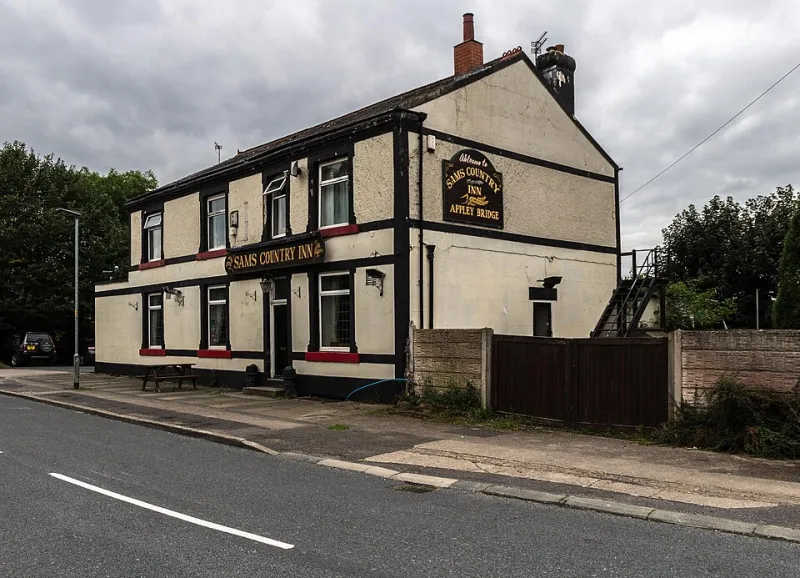
There's a moment that happens at certain British inns — usually just after you've ordered something from the menu — when the innkeeper leans across the bar and says something like, "The lamb's from a farm about two miles up the road. Bloke's been supplying us for twelve years." It's not a rehearsed line. It's just a fact, offered with quiet pride.
That kind of connection between a kitchen and its surrounding landscape is harder to fake than people think. And at the inns doing it properly, it tends to define everything — the menu, the atmosphere, the reason guests keep coming back.
More Than a Trend
Hyper-local sourcing has had its fair share of hype over the past decade. Menus crowded with farm names and producer logos became almost a cliché in certain restaurant circles. But for Britain's independent inns — particularly those rooted in rural communities — the relationship with local suppliers has always been less about branding and more about practicality, loyalty, and genuine mutual benefit.
Sarah Mellor, who runs a stone-built inn on the edge of the Yorkshire Dales, puts it plainly: "We're not doing this because it looks good on Instagram. We're doing it because the people who supply us are our neighbours. Some of them drink in this bar on a Friday night. If I served their beef badly, I'd never hear the end of it."
That social accountability — the idea that your suppliers might also be your regulars — creates a very different dynamic from the anonymous supply chains that most large hospitality businesses rely on. It breeds care on both sides.
Building Relationships, Not Just Supply Chains
The most committed innkeepers don't just place orders — they turn up. They visit farms at lambing time, taste cheeses before committing to a seasonal menu, and sometimes adjust their dishes entirely based on what a grower has in surplus.
At a small coaching inn in the Cotswolds, head chef and co-owner Dom Farrell has built what he describes as a "living pantry" — an evolving network of roughly twenty local producers whose availability actively shapes each week's specials board. "Some weeks I'll get a call from our mushroom forager saying she's found a glut of something unusual. The menu changes that afternoon. Guests love it — it's different every time they come."
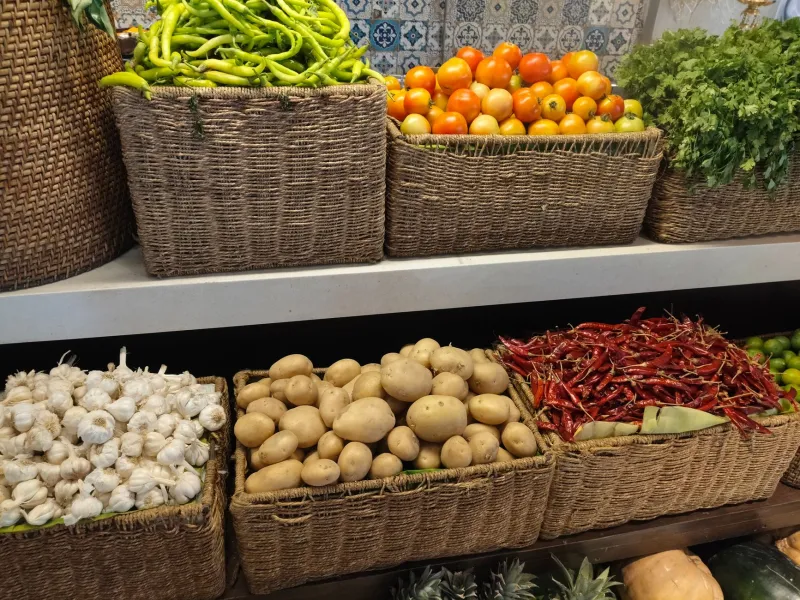
This kind of flexibility demands a certain confidence in the kitchen, but it also produces food that genuinely reflects the moment and the place. A dish made with vegetables harvested that morning from a farm three fields away tastes different — and means something different — to one assembled from a wholesale catalogue.
Supporting Rural Economies
The ripple effect of inn-led local sourcing extends well beyond the plate. In many rural areas, independent inns represent one of the most consistent revenue streams for small-scale food producers who can't access supermarket contracts or large restaurant groups.
A sheep farmer in the Welsh Marches, who supplies two local inns with lamb and mutton, explains: "The big buyers want consistency and volume. I can't always offer that. But the inn down the road will take what I've got, pay a fair price, and tell their guests exactly where it's come from. That relationship keeps my farm viable."
For guests, this interconnectedness adds a layer of meaning to the meal. Knowing that your Sunday roast supports a family farm — one you might even pass on a morning walk — turns eating into something closer to participation. You're not just a tourist consuming a region; you're briefly part of its economy.
Seasonal Honesty on the Menu
One of the less-discussed consequences of genuine local sourcing is what it does to a menu's honesty. Inns that buy locally simply cannot offer strawberries in February or asparagus in October. The seasons dictate the offering, and that constraint — far from being a limitation — tends to produce more interesting, more coherent cooking.
"People sometimes arrive expecting to see a certain dish they had last time," admits Mellor. "And I have to explain that it was a spring thing, and it's autumn now. But nine times out of ten, once they understand why, they're more excited about what's on instead."
There's a growing appetite among British travellers for this kind of culinary authenticity. After years of homogenised menus and predictable pub food, the chance to eat something that couldn't have been made anywhere else — at any other time of year — has real appeal.
The Pantry as a Sense of Place
Perhaps the most powerful thing a locally-sourced inn kitchen can offer is a genuine taste of somewhere. The Wensleydale in the cheeseboard, the smoked trout from the river two villages over, the honey from hives kept on the hillside behind the car park — these aren't decorative details. They're the flavour of a specific place, served up with care.
For visitors exploring Britain's regions, an inn's pantry can be as illuminating as any museum or heritage site. It tells you what grows here, what's been eaten here for generations, and who tends the land that surrounds you.
The best innkeepers understand this instinctively. They're not just feeding their guests — they're introducing them to a community, one plate at a time.