Bacon, Beans, and Beyond: What Your Inn Breakfast Really Says About British Hospitality

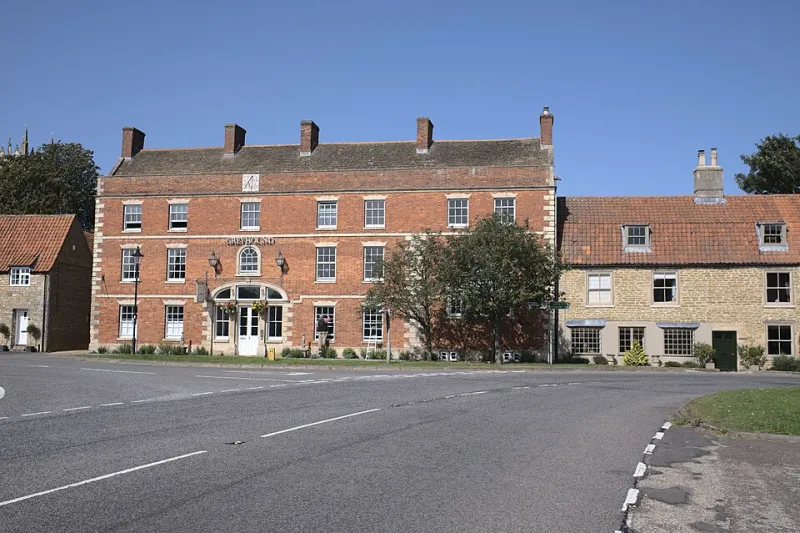
Photo: Luc Viatour, CC BY-SA 3.0, via Wikimedia Commons
There's a moment, somewhere between pulling back the curtains on a misty British morning and descending the creaky staircase of a well-loved inn, when everything feels right with the world. That feeling tends to peak the second you catch the smell of bacon drifting up from the kitchen.
The full English breakfast is one of those rare cultural institutions that manages to be simultaneously ordinary and extraordinary. It's served in greasy spoon cafés and five-star hotels alike, yet somehow, when it lands on the table of a proper British inn — eggs gleaming, sausages bronzed, toast standing to attention in a little rack — it feels like something genuinely special.
But why? What is it about this particular meal that lodges itself so firmly in the memory of anyone who visits the UK?
More Than Just a Meal
Ask any seasoned innkeeper and they'll tell you the same thing: breakfast isn't just about the food. It's about the whole experience. The way the table is laid. Whether the butter comes in those fiddly little foil squares or arrives in a proper dish. Whether someone tops up your tea without being asked.
Sarah Mellor, who has run The Heron's Rest, a 17th-century inn in the Yorkshire Dales, for over twelve years, puts it simply: "Guests might forgive a slightly lumpy pillow or a slow Wi-Fi connection, but they remember breakfast for years. Get it right and they'll come back. Get it wrong and they'll mention it in every review they ever write."
She's not wrong. A quick browse through any inn review site reveals that breakfast consistently ranks among the top factors guests comment on — often more than the room itself. It's the meal that sets the tone for the day, and in many ways, it's the moment an inn either earns its reputation or loses it.
The Regional Debate Nobody Wins
Of course, the moment you start talking about the full English, you have to acknowledge that it isn't quite the same from one end of the country to the other — and that's part of what makes it so fascinating.
Head up to Scotland and your plate might arrive with a square slice of Lorne sausage, a tattie scone, and perhaps a slice of black pudding made locally. In Wales, laverbread — a seaweed-based delicacy with a distinctive earthy flavour — sometimes makes an appearance alongside cockles, particularly in coastal inns. Over in Northern Ireland, the Ulster Fry holds its own with soda bread and potato bread forming the carb-heavy backbone of the plate.
Even within England there are fierce regional loyalties. Midlands inns often serve their beans directly on the plate (much to the horror of those who insist on a separate ramekin). In Cornwall, you might find your eggs scrambled with smoked fish. And don't even get started on the brown sauce versus ketchup argument — that one's been running since before most of our inns were built.
Far from being a source of confusion, though, these regional differences are precisely what make seeking out a great inn breakfast such a rewarding pursuit for visitors. Every variation tells you something about where you are.
The Sourcing Question
One shift that's transformed the British inn breakfast over the past decade or so is the growing emphasis on local sourcing. Where once a standard package of supermarket sausages might have sufficed, today's guests are increasingly savvy — and increasingly interested in where their food comes from.
Inns that have leaned into this trend have reaped the rewards. The Millstone Inn in Lancashire, for instance, works directly with a local farm for its sausages and dry-cures its own bacon on site. The result isn't just better-tasting food — it's a story guests can take home with them.
"People eat with their ears as much as their mouths," says Tom Ashford, who manages a well-regarded inn in the Cotswolds. "When you tell someone their eggs came from hens that roam the field literally behind the car park, their whole face changes. They taste it differently."
This isn't just a marketing gimmick. Locally sourced ingredients genuinely do tend to taste better — fresher, more characterful, less uniform. And for inns in rural areas, building relationships with nearby producers is often a natural extension of being part of a community.
What to Look For When Booking
If a stellar breakfast is high on your priority list — and frankly, it should be — there are a few things worth checking before you book.
First, look at the reviews. Not the overall star rating, but the specific comments about breakfast. Are guests mentioning fresh ingredients? Generous portions? Friendly service? These details paint a clearer picture than any marketing copy.
Second, check whether the inn offers a cooked breakfast as standard or charges extra. Some of the very best inn breakfasts are included in the room rate; others are priced separately but worth every penny. Either way, knowing in advance helps you plan.
Third, if you have dietary requirements, don't assume — ask. Many inns now offer vegetarian and vegan full breakfasts that are genuinely impressive rather than an afterthought. Gluten-free options are increasingly common too, though it's always worth confirming ahead of arrival.
Finally, and this is perhaps the most important tip of all: don't rush it. The full English breakfast was never meant to be eaten at speed. Order a pot of tea, let the conversation wander, watch the morning light change through the window. That unhurried quality is half the point.
The Breakfast as a Barometer
There's a reason experienced travellers use the breakfast as a litmus test for an inn's overall standards. It requires coordination, fresh ingredients, consistent cooking, and genuine attentiveness — all at the same time, every morning, often for a dining room full of guests who all want their eggs done differently.
An inn that pulls this off reliably isn't just feeding you. It's demonstrating that it cares — about the details, about the experience, about you specifically. And that, when you strip everything else away, is what great British hospitality has always been about.
So next time you're planning a trip and weighing up where to stay, maybe let the breakfast guide you. It might just be the most delicious decision you make.